
Last updated November 23, 2026
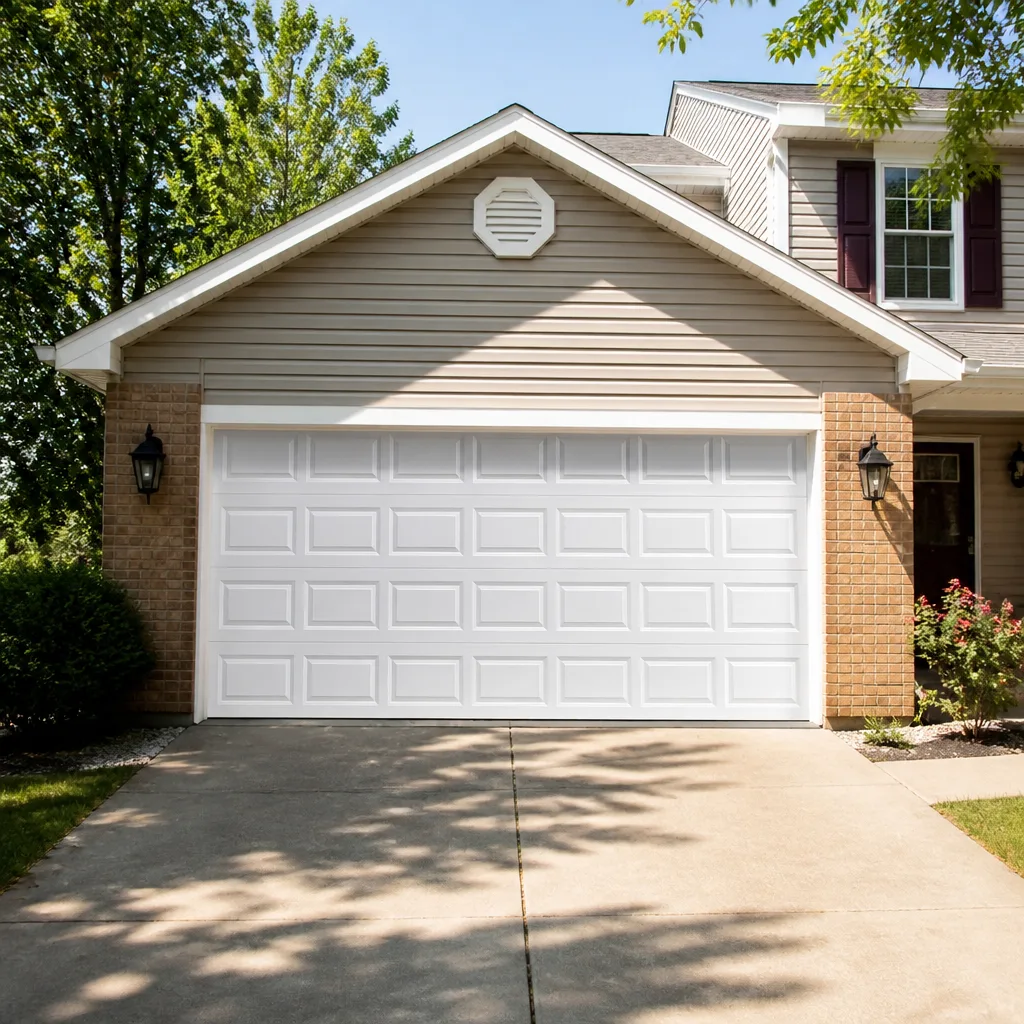 Raised-panel steel
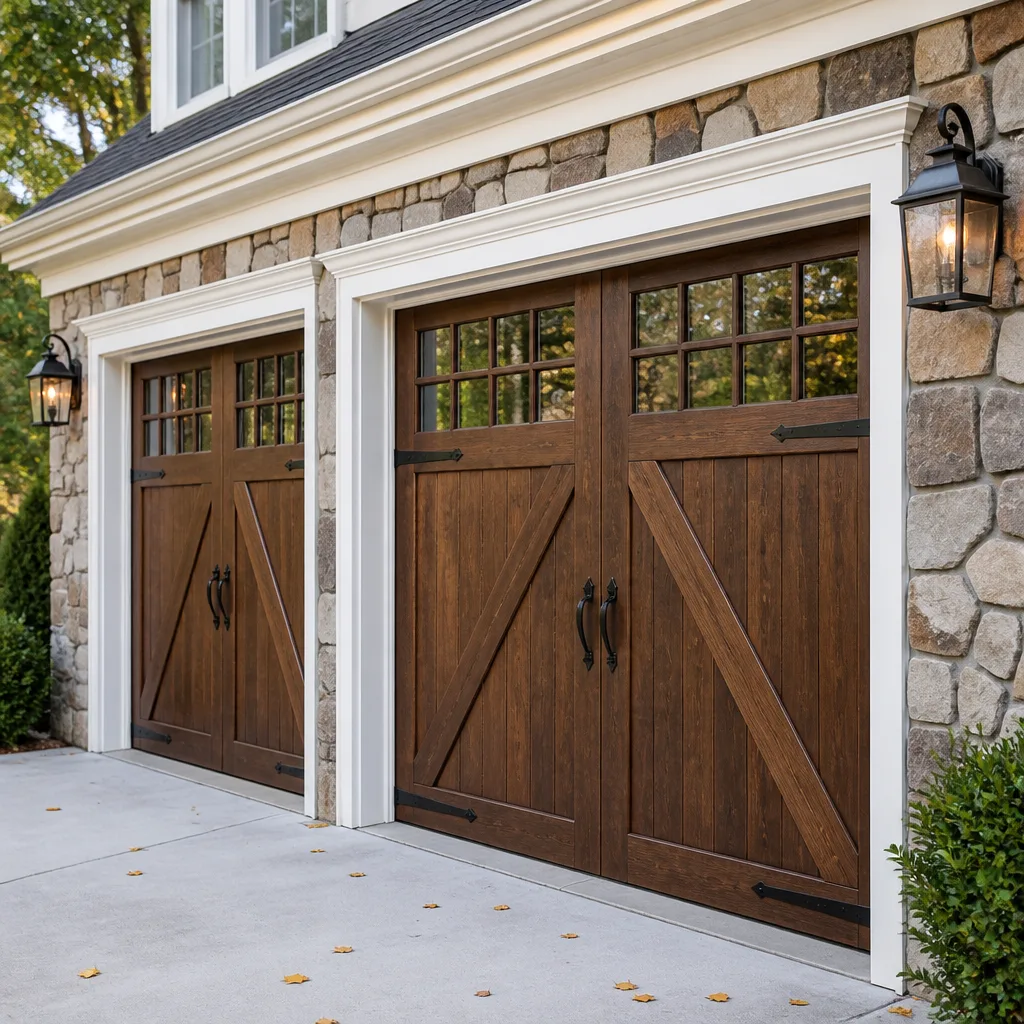 Carriage house
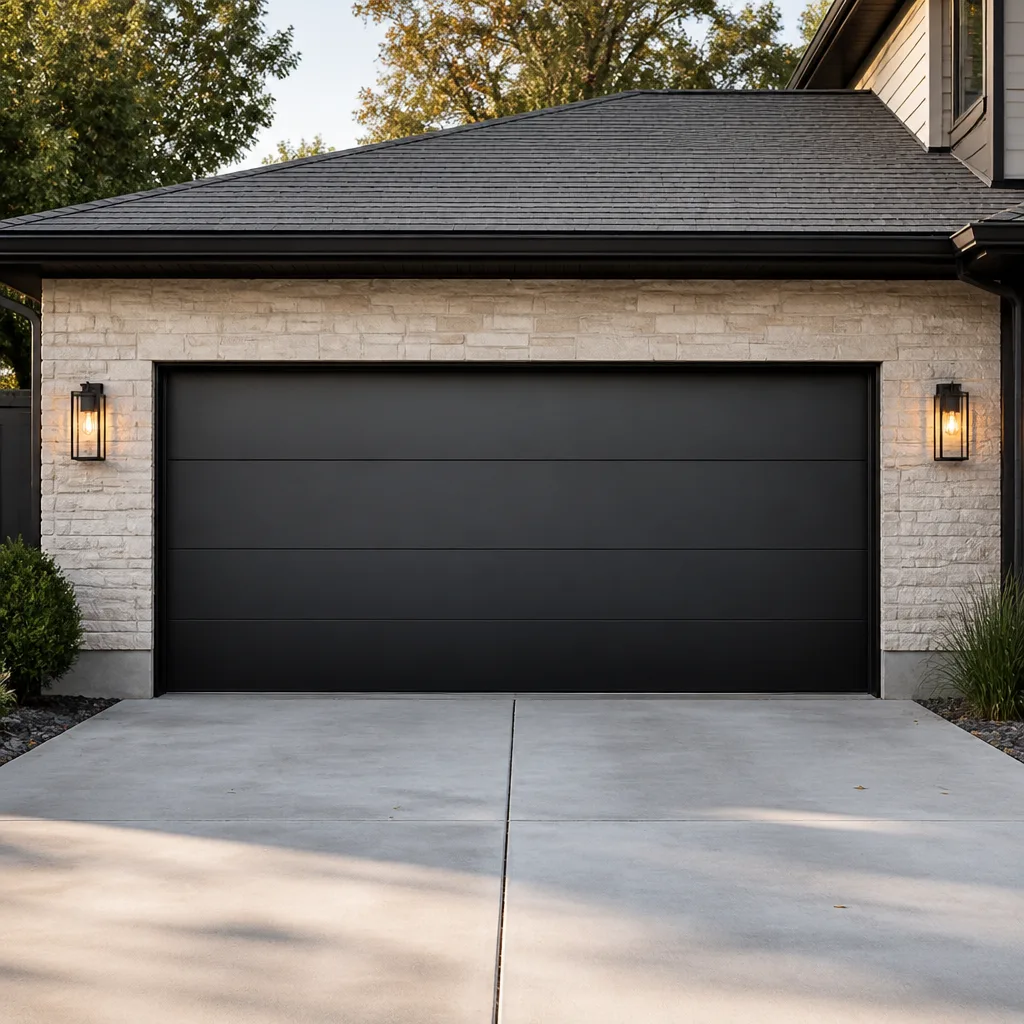 Modern flush
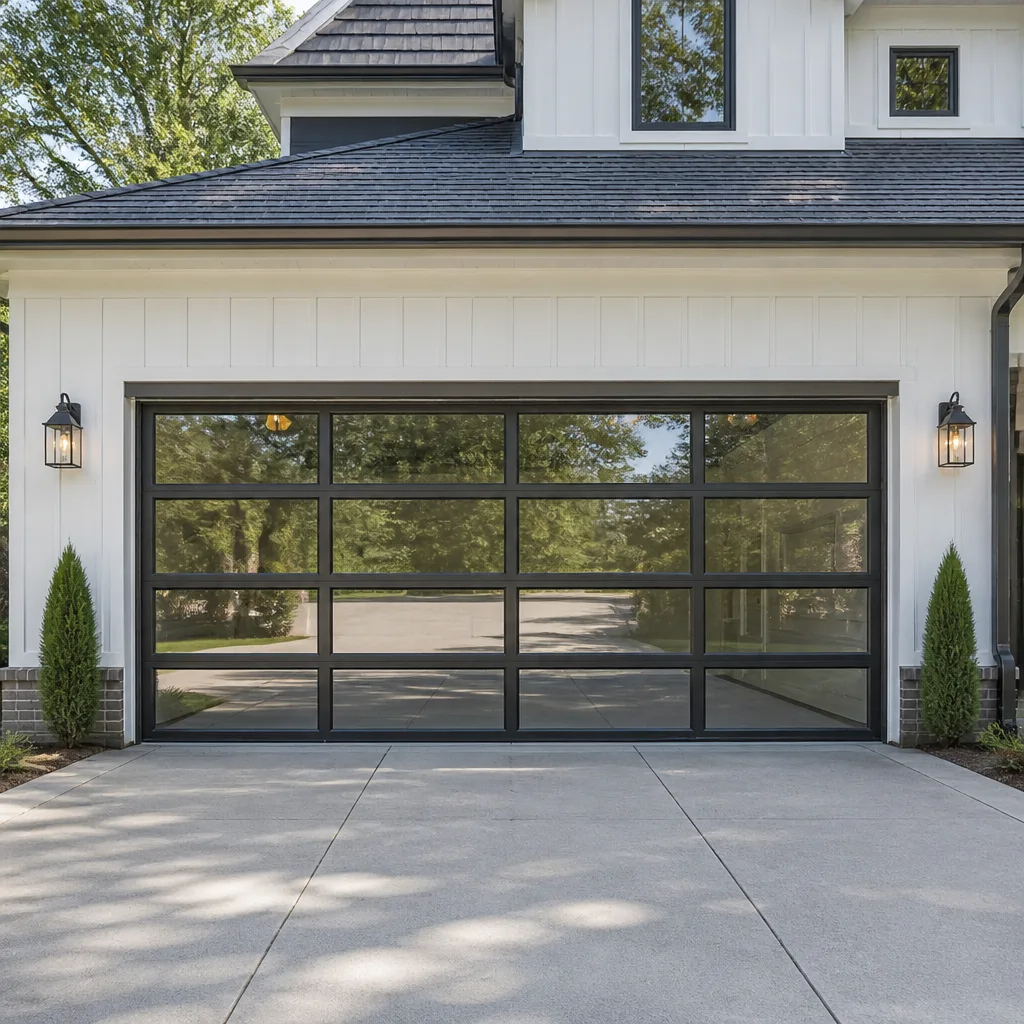 Full-view glass
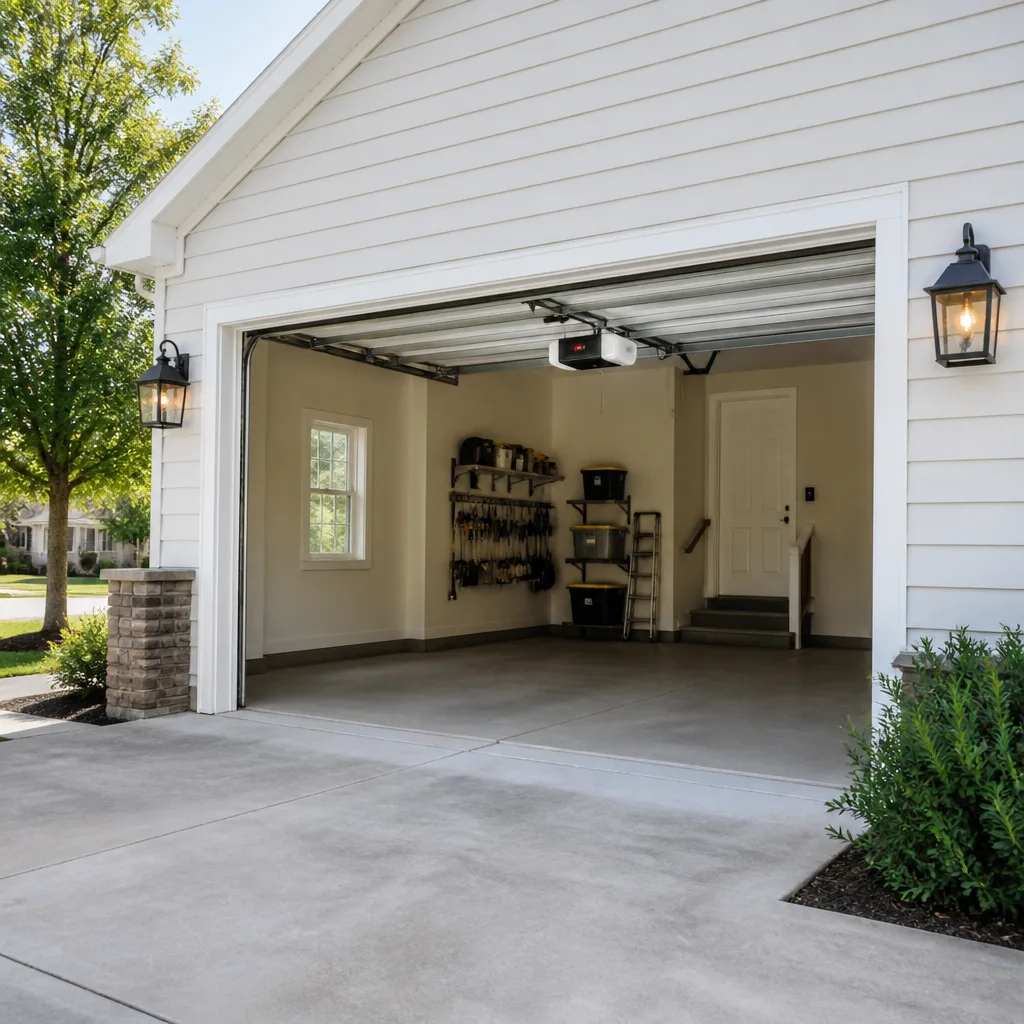 LiftMaster openers
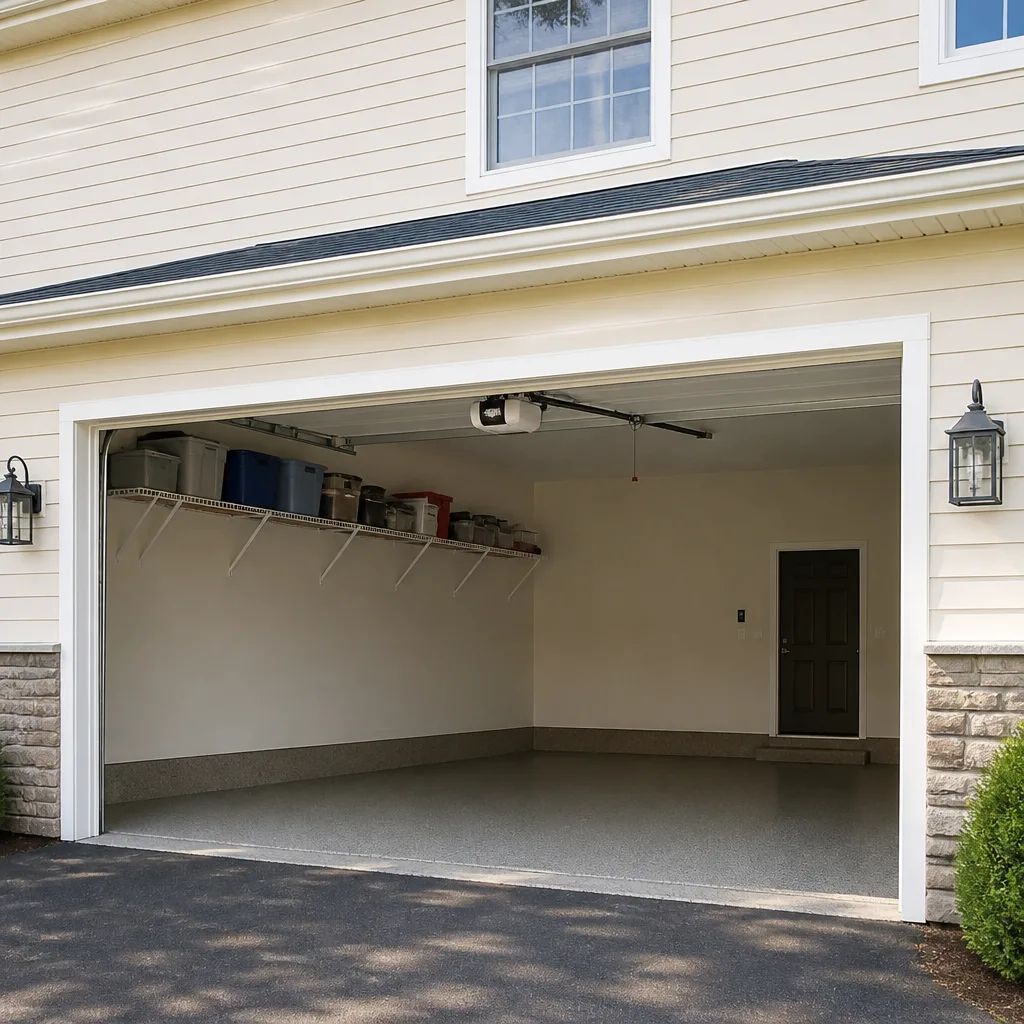 Chamberlain openers
Full 25-point door and opener safety check with every visit - springs, cables, rollers, tracks, and your LiftMaster or Chamberlain opener included
You get a price before we start. It does not change when the pro arrives.
Get your free estimateSeasonal Garage Door Care for Everett: Year-Round Homeowner’s Guide
Most homeowners assume their garage door wears evenly through the year. It doesn’t. In Everett‘s climate, metal fatigue builds quietly through the wet months and tends to show itself the moment temperatures drop and tolerances tighten. That’s why October, not April, is the highest-leverage month on a garage door maintenance calendar here. The fall work you do before the first real cold snap prevents more failures than anything you’ll do in spring. This guide walks a full Everett year season by season, with the specific inspection items, adjustment tasks, and timing that matter most for doors in the Pacific Northwest.
Quick Answer
Garage door care in Everett should front-load inspection into October and February. October prevents cold-weather and wet-season failures; February catches what a wet winter left behind. Summer is for opener adjustments and sun-side door checks. Everything else is short monthly checks you can do in a few minutes. Call (833) 991-9736 for a free estimate if anything on your door feels, sounds, or looks wrong.
Styles & brands we work with
- Raised-panel steel
- Carriage house
- Modern flush
- Full-view glass
- LiftMaster openers
- Chamberlain openers
Table of Contents
- The October Pre-Winter Checklist
- Winter: What Cold Actually Does to a Garage Door
- Why Wet Springs Cause Different Problems Than Winter
- Summer: West-Facing Doors and Afternoon Sun
- Adjusting Opener Force Settings Seasonally
- After a Windstorm: The Inspection Sequence
- Common Mistakes to Avoid
- When to Call a Professional
- Frequently Asked Questions
The October Pre-Winter Checklist
October is when a garage door in Everett earns or loses its winter. The goal before the first hard cold snap is simple: reduce friction, tighten what’s loose, and make sure everything that moves is lubricated so the cold doesn’t lock it up. Work through this list in order, ideally on a dry afternoon.
- Lubricate the torsion spring, hinges, rollers, and track pivot points. Use a garage-door-rated lubricant, not WD-40 as a substitute. A lubricated moving part needs less spring force from the opener.
- Watch the door through a full open-and-close cycle. Listen for grinding, creaking, or a pop. A pop and a visible shake usually means a cable or spring issue that should not wait.
- Check weatherstripping along the bottom seal and the side jambs. Run a hand along the bottom seal; if it’s stiff, cracked, or leaves a light gap when the door is shut, replace it before the rain season.
- Inspect the track with a level. Loose lag bolts and out-of-plumb tracks work fine until the cold shrinks the metal, then the door binds.
- Test the auto-reverse. Lay a 2-by-4 flat on the ground under the door and let the door come down on it. It should reverse. Do it and note the result.
- Clean out the seal channel and the bottom of the track. Debris holds moisture, and moisture in Everett’s late fall stays for weeks.
- Trim back foliage around the door. Overhanging branches in a windstorm are the number one cause of panel dents and track bends on the exterior side.
The reason this checklist is timed in October, not November, is that the first cold snaps here come in stretches of clear, dry, cold nights, then swing back. The doors that fail do so on the first swing. If the fall visual inspection finds a worn cable, this is the natural point to schedule garage door repair rather than wait for the failure.
Winter: What Cold Actually Does to a Garage Door
Springs fail in winter because the accumulated metal fatigue from a year of normal use finally exceeds tolerance when the steel contracts and the load geometry changes. The temperature drop itself usually isn’t the whole story. It’s the last straw on a part that was already close. That’s why a spring that survived summer without a whisper can snap on the second or third cold morning of the season, and why replacing a spring proactively before it fails is often the smarter call than waiting.
Other winter effects on an Everett garage door:
- Weatherstripping stiffens and stops sealing. Warm air escapes, cold air enters, and the door itself gets colder on the interior face.
- Roller bearings dry out and drag, which the opener reads as extra force needed. The opener may trip its force limit and reverse.
- Cables and springs pick up condensation on a cold-to-warm transition day, which is most of December and January here.
- Wood trim expands and contracts repeatedly, opening small gaps around the frame that let wind-driven moisture in.
Winter tasks are light: a quick wipe of the bottom seal weekly, a monthly listen to the door cycle, and a visual check of the spring and cables. Nothing else needs doing unless something looks off. If you hear a loud bang from the garage, leave the door down and don’t cycle it. That’s a spring failure, and running the opener on it can damage the door further. Our garage door spring repair work covers exactly this, and spring repair is the one job in this trade that we, and any experienced technician, will tell you not to attempt yourself. Those springs are under extreme tension and a mismanaged one can cause serious injury.
Why Wet Springs Cause Different Problems Than Winter
Everett’s wet spring is a separate season of garage door problems, and they don’t resemble winter’s. Winter is about cold and contraction. Spring is about moisture. The specific issues that show up from March through May include:
- Swelling wood trim. Jambs and frames around the door absorb moisture and bow outward slightly, tightening the door’s fit. You may notice the door scraping at the top corners.
- Compressed weather seals. A bottom seal that was fine in October can flatten into a permanent dented line after wet months, leaving a visible gap. This is the single most common wet-spring complaint.
- Track moisture and rust. Cold rolled track picks up condensation from the warm side of the door, and steel rollers begin to develop surface rust. Running the rollers on a dry track all winter makes this worse.
- Panel swelling in older wood doors. A wood-panel door (common in older Everett homes) can visibly cup or warp after a wet spring. A Clopay steel or Amarr door doesn’t have that problem, but on wood doors a spring inspection is worth doing even if nothing looks wrong.
Spring is also the natural point to replace weatherstripping. The existing bottom seal has had a full winter of compression and it’s the cheapest part on the whole system to replace. Doing it in April before the dry months lets you start summer with a clean seal. If the door has been dragging on the swollen jambs, check the opener’s force settings too; it’s been laboring quietly all spring.
Summer: West-Facing Doors and Afternoon Sun
A west-facing garage door in Everett gets direct, low-angle afternoon sun from mid-afternoon until sunset through much of June, July, and August. That matters for three reasons. First, the door’s steel panels expand on the sun side and not the shaded side, which is a small but real warp. Second, the paint on a west-facing Clopay or Wayne Dalton door fades noticeably faster than on other sides. Third, the interior of the door bakes the opener and the springs, adding thermal cycling to a component that already cycles every time the door opens.
Summer tasks worth doing:
- Run the door through a cycle in the afternoon heat. If it drags or the opener sounds strained, the force adjustment is probably set for a cooler door.
- Wash and wax the sun-facing side of the door. Wax blocks UV and keeps the paint finish intact longer. A steel door in Everett will still look good years in if the west face gets attention.
- Check the opener’s photo-eye alignment. Long, low afternoon sun commonly trips the safety sensors if they’re slightly off-axis. A quick realignment fixes it.
- Inspect the opener housing for heat buildup. Opener motors in a garaged west-facing door can overheat on the hottest days. Make sure the vents aren’t blocked by stored items.
Summer is also the best time for a full new door install. Scheduling an installation here in the dry window is easier than in the middle of a wet spring. If the door is old, sun-faded, and has been giving you trouble all winter, it’s worth pricing garage door installation against a full repair.
Adjusting Opener Force Settings Seasonally
Opener force settings control how much resistance the opener will push through before reversing. As the door changes weight through the year (humidity swells the door slightly, cold makes the steel heavier-feeling, wet weatherstripping drags more), the force needed to lift the door changes too. Adjusting force settings a few times a year keeps the opener from either laboring or, worse, misreading a resistance as an obstruction and refusing to close.
Here’s a safe way to think about it, without doing the work yourself if you have any doubt:
- Watch the door do a full cycle. If it accelerates or jerks, the force is too high. If it hesitates at the bottom third of the travel, force may be too low or the spring has lost tension.
- Find the force adjustment on the opener housing (usually a small dial or screw on the back panel of the head unit). Note the original position before touching anything.
- Adjust in small increments. A quarter turn at a time is enough. LiftMaster, Chamberlain, Genie, and Craftsman openers all use slightly different adjustment mechanisms, so the manual is worth keeping.
- Re-test the auto-reverse after every change. This is non-negotiable. The 2-by-4 test is what proves the door is still safe.
If the force setting needs a large adjustment to work, that’s a signal of a deeper problem: a failing spring, a bent track, or worn rollers. That’s a call-now situation rather than a dial-it-in situation. garage door opener repair or a spring check will usually find the underlying issue. Our technicians have up to 14 years of experience diagnosing force-vs-mechanical problems and can tell you evenly whether it’s the opener or the door.
After a Windstorm: The Inspection Sequence
Windstorms move through Everett most years, usually in late fall and early winter. The damage isn’t always visible right away, and that’s where a proper inspection sequence matters. Inspect in this order, outside first, then inside, then the door itself.
- Walk the exterior. Look at the panels. Look for dents, dimpling, and panels that no longer sit flush with their neighbors. A dented panel can often be repaired individually; a panel with a cracked or separated seam is a replacement.
- Check the track alignment at the top and bottom brackets. A windstorm pushes the door inward and can shift the top of the vertical track. Look for a gap between the track and the jamb, and for any lag bolts that have pulled free.
- Look at the cables at both bottom corners. Cables under tension can develop a kink or a fray that isn’t visible until you look straight at the drum. Do not touch; just look.
- Look at the spring visibly. If the spring looks stretched past its normal length, or has a visible gap in the coil, stop. Don’t run the door. Call us.
- Look at the hinges and roller stems. Bent stems are the most common visible storm damage. They can often be replaced individually.
- Now open the door by hand, gently, and see if it moves evenly. If it doesn’t move evenly or there’s resistance, stop and call.
If a windstorm has bent the track or panel, don’t run the opener to “test it”. The opener will push a jammed door against the frame and cause secondary damage. Get someone out to look before powering the door back into motion. Our technicians handle Everett Garage Door Repair Co work under windstorm conditions routinely and know the difference between cosmetic and structural damage.
Common Mistakes to Avoid
- Skipping the October cycle test because the door “worked fine all summer”. Most winter failures show no warning signs until the first cold snap, and a two-minute cycle test in October is what catches them.
- Spraying WD-40 on a torsion spring and calling it lubricated. WD-40 is a solvent, not a lubricant. It actually dries the spring surface and can accelerate fatigue. Use a garage-door-specific lubricant.
- Adjusting opener force settings upward to compensate for a dragging door. The drag is the problem, not the force setting. Bumping force hides a failing spring or a tight track and puts wear on the opener motor.
- Replacing a bottom seal without checking the door’s alignment first. If the door is dragging on one side, the new seal will wear out the same way the old one did. Fix the alignment first.
- Running the door after a spring snaps. With the door in Everett’s damp air, a broken spring means the whole load shifts onto the cables and the opener. Running the door risks a cable failure that damages the panels and could injure someone. Leave it down and call.
- Assuming a west-facing door doesn’t need wax just because Everett is gray most of the year. West-facing doors here take the full weight of the summer sun, and paint fades faster on that face than any other on the house.
- Ignoring a slight grinding sound after a windstorm. Grinding after a storm usually means a bent roller stem or a track that shifted a few millimeters. Easy to fix now, expensive if it runs for weeks.
When to Call a Professional
Some seasonal tasks are yours to do: lubrication, a visual inspection, cleaning out the track. Others need a trained eye and a set of real garage door tools. Call a professional in Everett if the spring is broken or visibly stretched, if the door only opens partway or slams closed, if a cable is loose or kinked, if the door is off its track after a windstorm, or if the opener runs but the door doesn’t move. Any of those are spring, cable, or opener problems and each one can cause secondary damage or injury if handled wrong. Everett Garage Door Repair Co offers free estimates in Everett. Call (833) 991-9736. We answer 24/7. Fast dispatch from 7am to 7pm, Sunday through Friday.
Frequently Asked Questions
October is the highest-value month for garage door service in Everett, followed by February. October work prevents cold-weather and wet-season failures before they start, and February catches whatever a wet winter has done to the seal, track, and wood trim. Year-round, the best plan is a short monthly visual check and a full professional service in October.
Yes. Springs fail most in the first cold snap of the season because metal fatigue accumulated through the year finally exceeds tolerance when the steel contracts. The cold isn’t the cause; it’s the trigger. That’s why a spring that looked fine all summer can snap on a cold morning, and why an October spring inspection is worth the time.
Don’t run the opener. Leave the door where it is and inspect the track, cables, and visible spring from the outside. If anything looks bent, kinked, or out of alignment, call us at (833) 991-9736 before attempting to move the door. A door that’s hung up on a bent track will cause further damage if the opener pushes it. Estimates are free.
Wet spring is about moisture, not cold. Swelling wood trim tightens the door frame, bottom seals compress and stop sealing, and track rollers pick up surface rust. The fixes are different too: spring is the time to replace weatherstripping and check track alignment, while winter is about lubrication and reducing force on a cold door.
If you’re comfortable with small adjustments and re-test the auto-reverse each time, yes, a quarter turn at a time is a reasonable seasonal tune-up. But if the door needs a large adjustment to work, that’s a signal of a failing spring or a bent track, and you’ll want a professional looking at it. Call (833) 991-9736 for a free estimate if you’re not sure.
Pricing is per job and set by a written estimate before any work starts. The free estimate is what determines the exact cost for your door based on its condition, brand, and the specific work needed. Call (833) 991-9736 for an exact quote; estimates are free.
The Bottom Line
Garage door care in Everett doesn’t spread evenly through the year. October does the heavy lifting: lubricate everything that moves, replace worn seals, check the track, test the auto-reverse, and catch any worn spring or cable before the cold multiplies the load. February catches what wet winter left behind, and summer is for the lighter work of waxing the west-facing side and resetting the opener force. Do the fall cycle test. It’s two minutes and it tells you more than anything else you can do on a Sunday afternoon. If anything on that test looks wrong, if a spring has snapped, or if a windstorm has shifted the track, that’s the moment to get a trained hand on it.
Everett Garage Door Repair Co works on the eight major brands you’re likely to have in your garage, including LiftMaster, Chamberlain, Genie, Clopay, Amarr, Wayne Dalton, Craftsman, and Raynor. Whether it’s a seasonal maintenance visit, a worn-open seal, or a broken spring in January, our technicians have up to 14 years of experience on doors like yours. Call (833) 991-9736 for a free estimate. We answer 24/7. Fast dispatch from 7am to 7pm, Sunday through Friday.
Written by the team at Everett Garage Door Repair Co.
See the difference
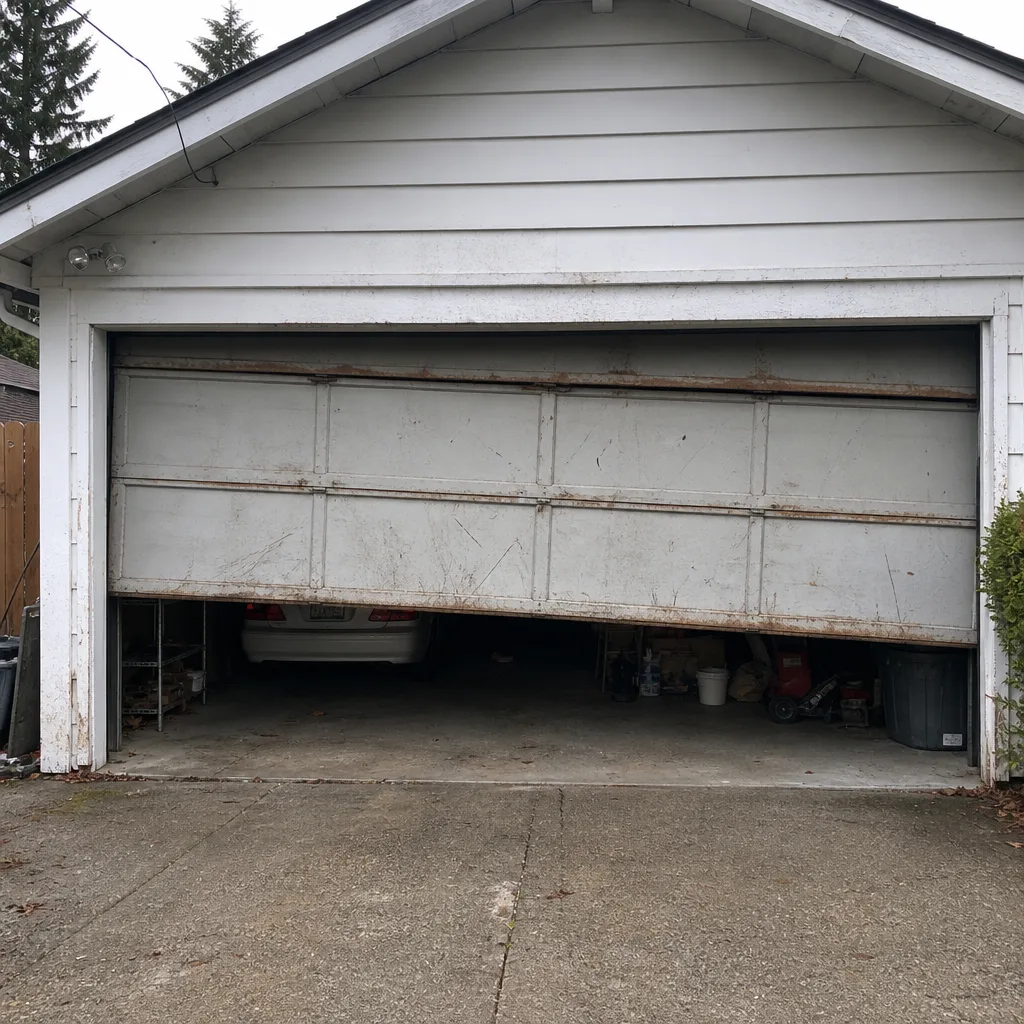 Before
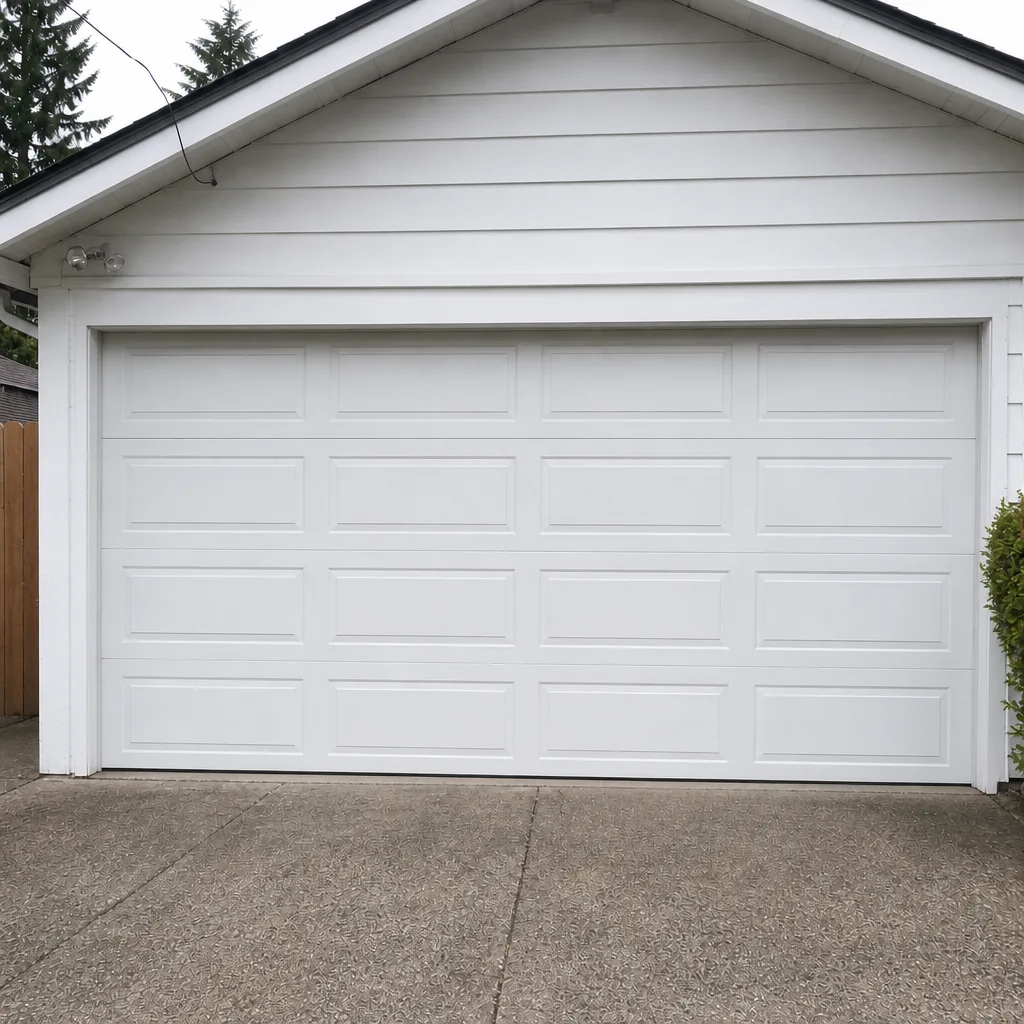 After
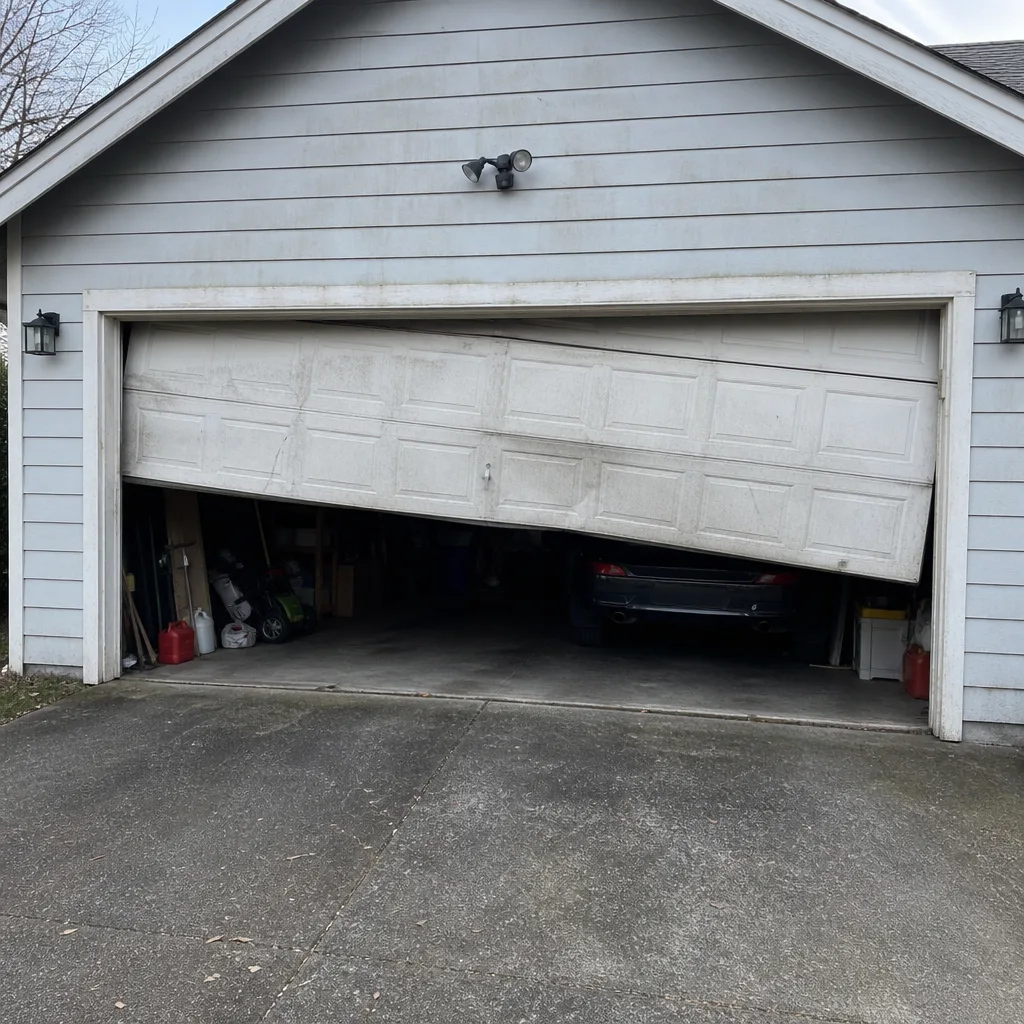 Before
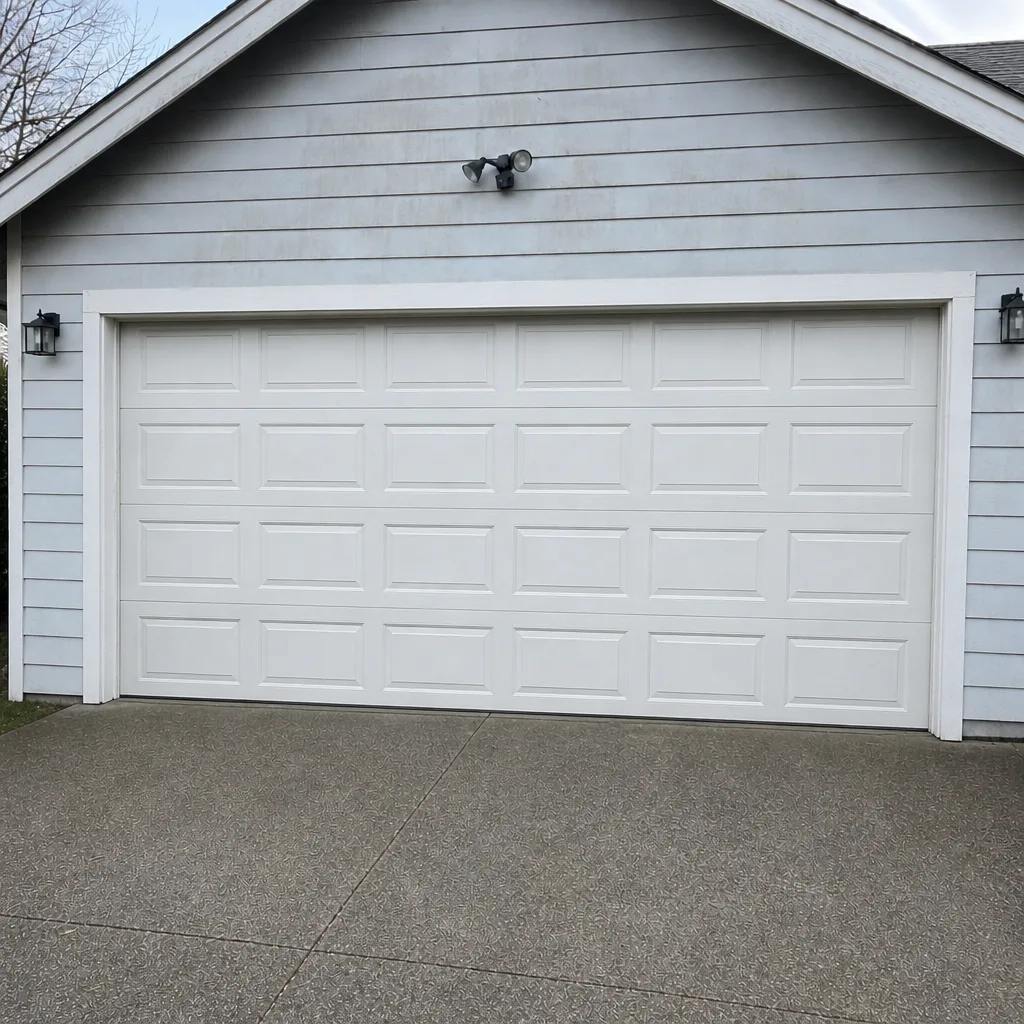 After
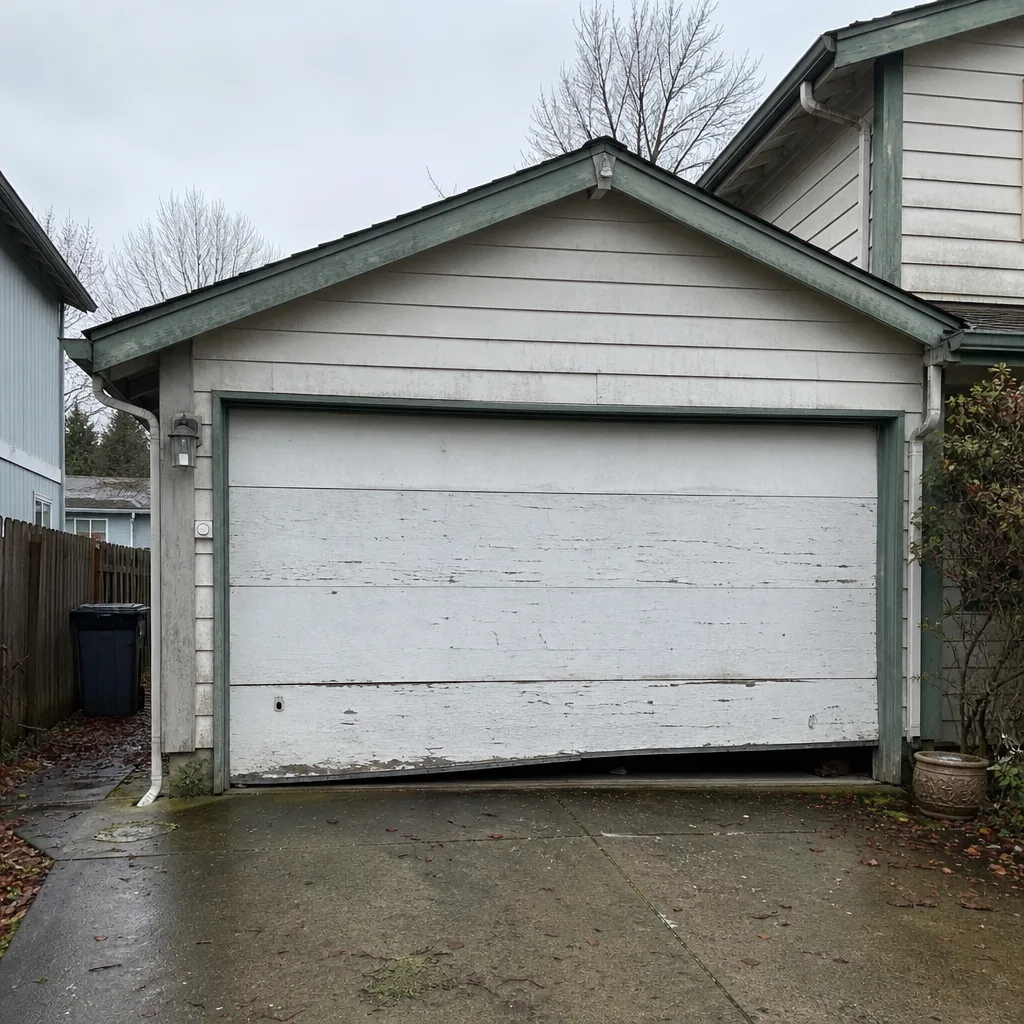 Before
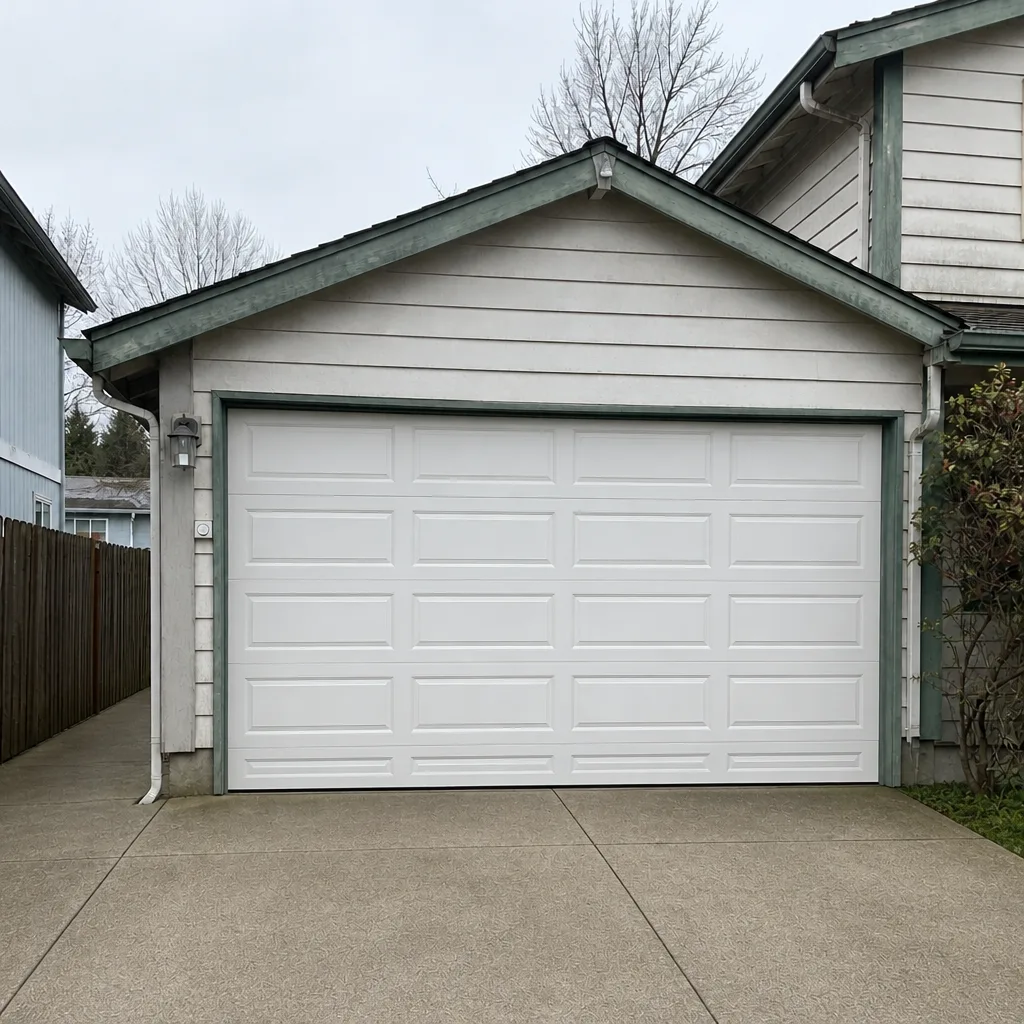 After