
Last updated November 23, 2026
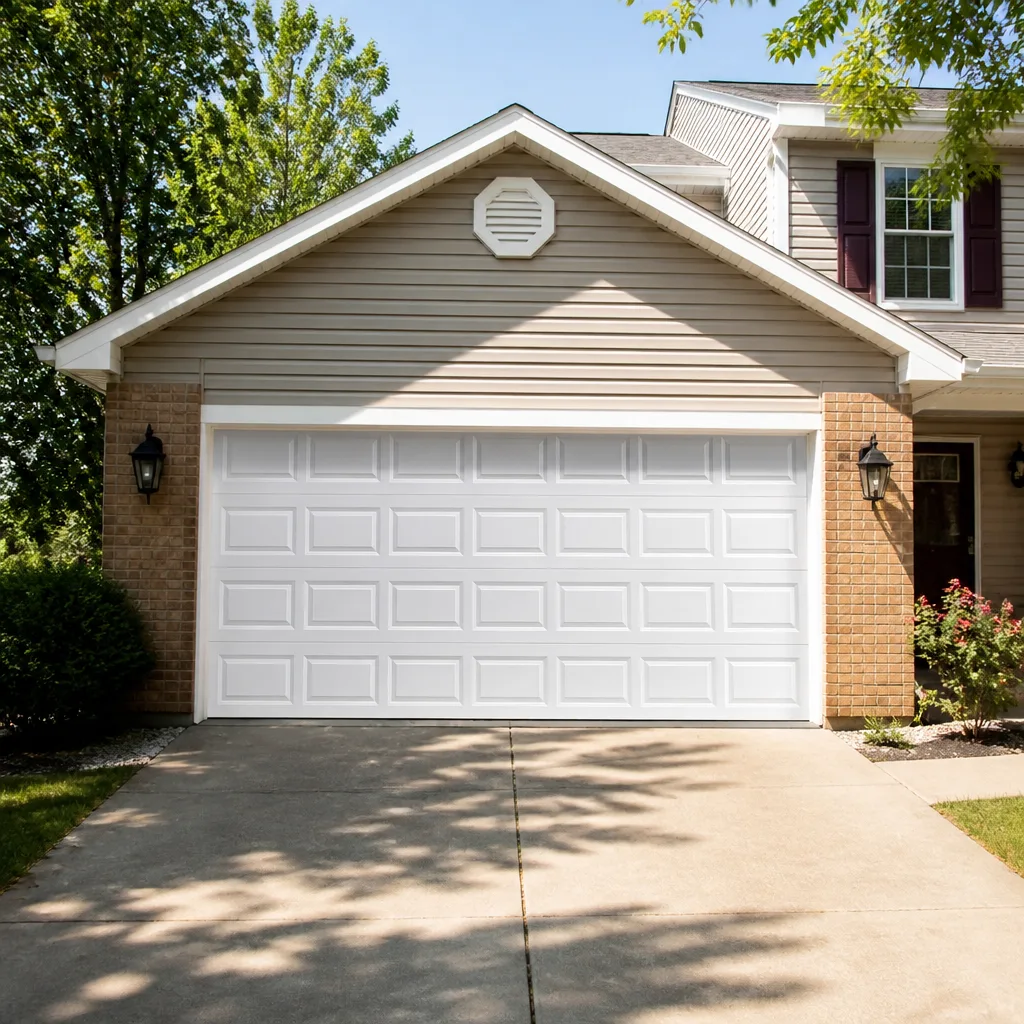 Raised-panel steel
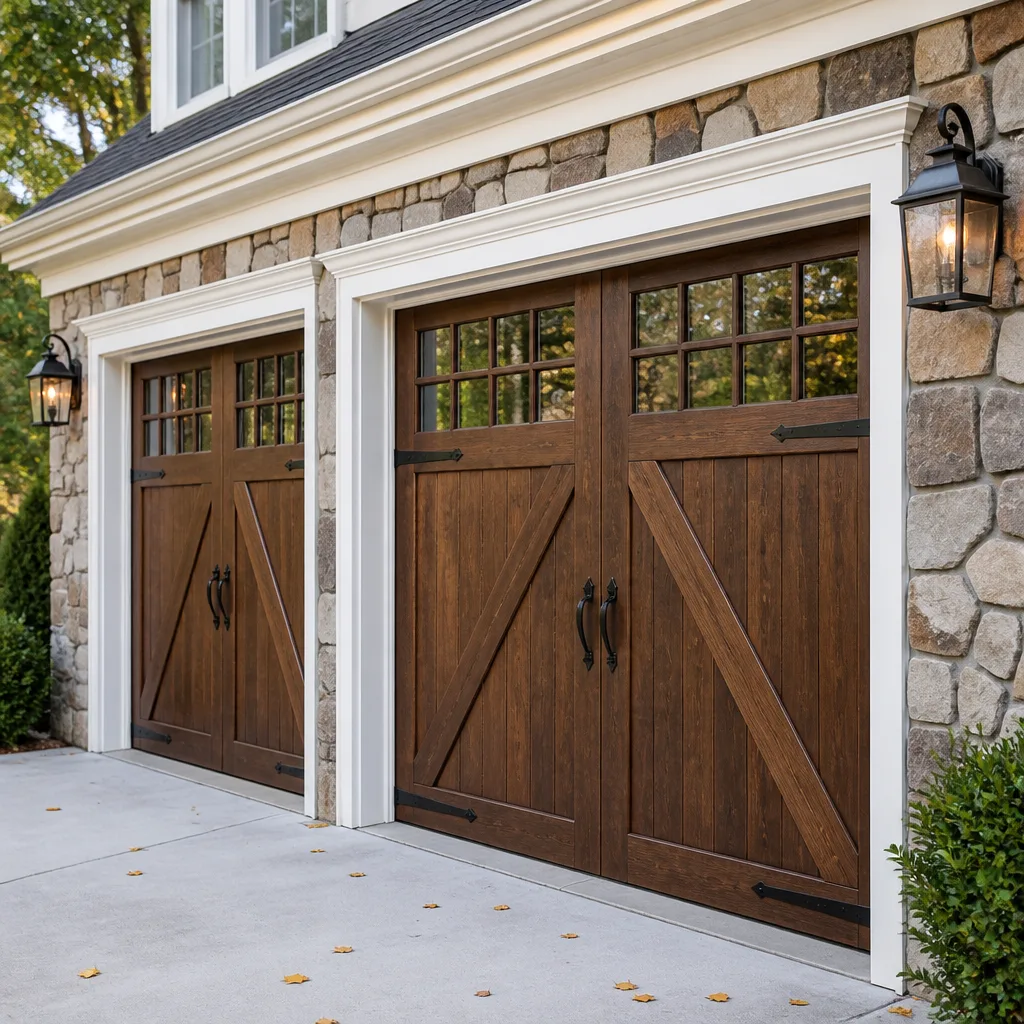 Carriage house
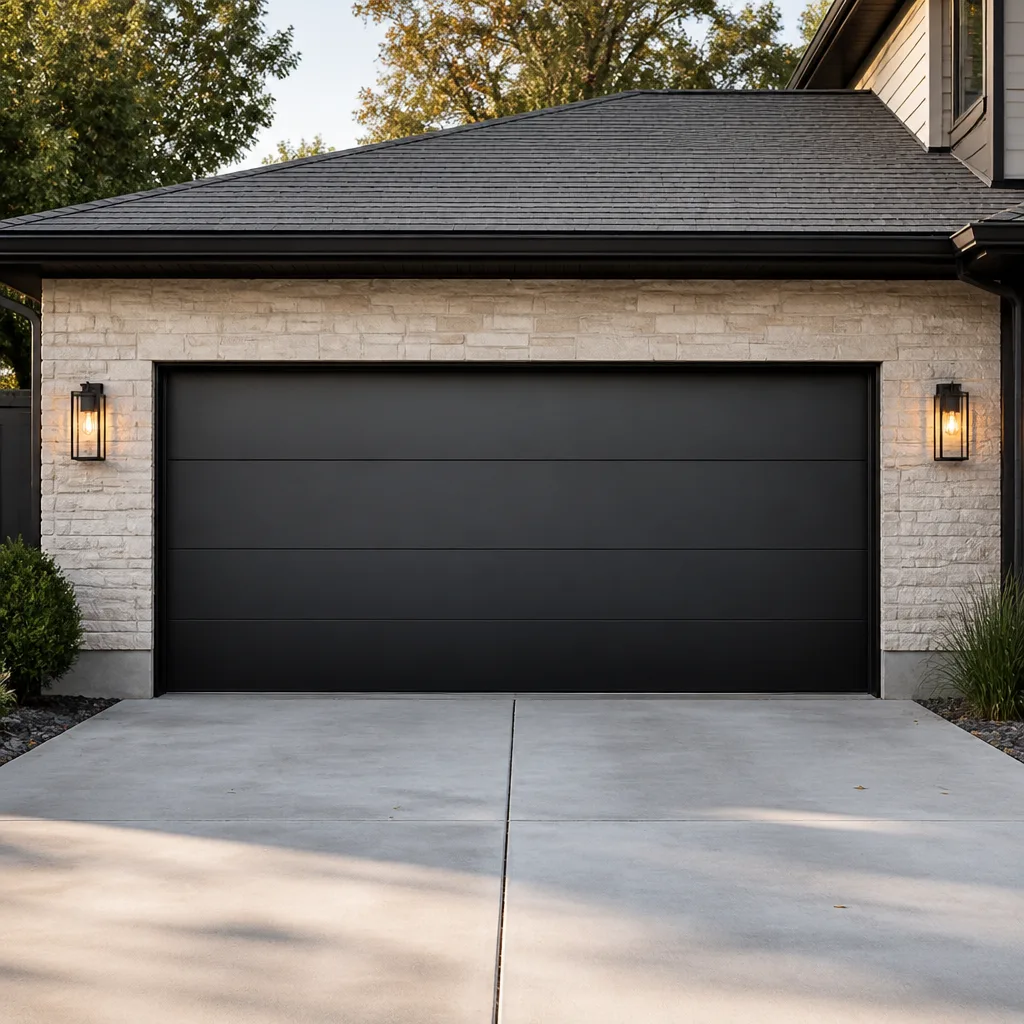 Modern flush
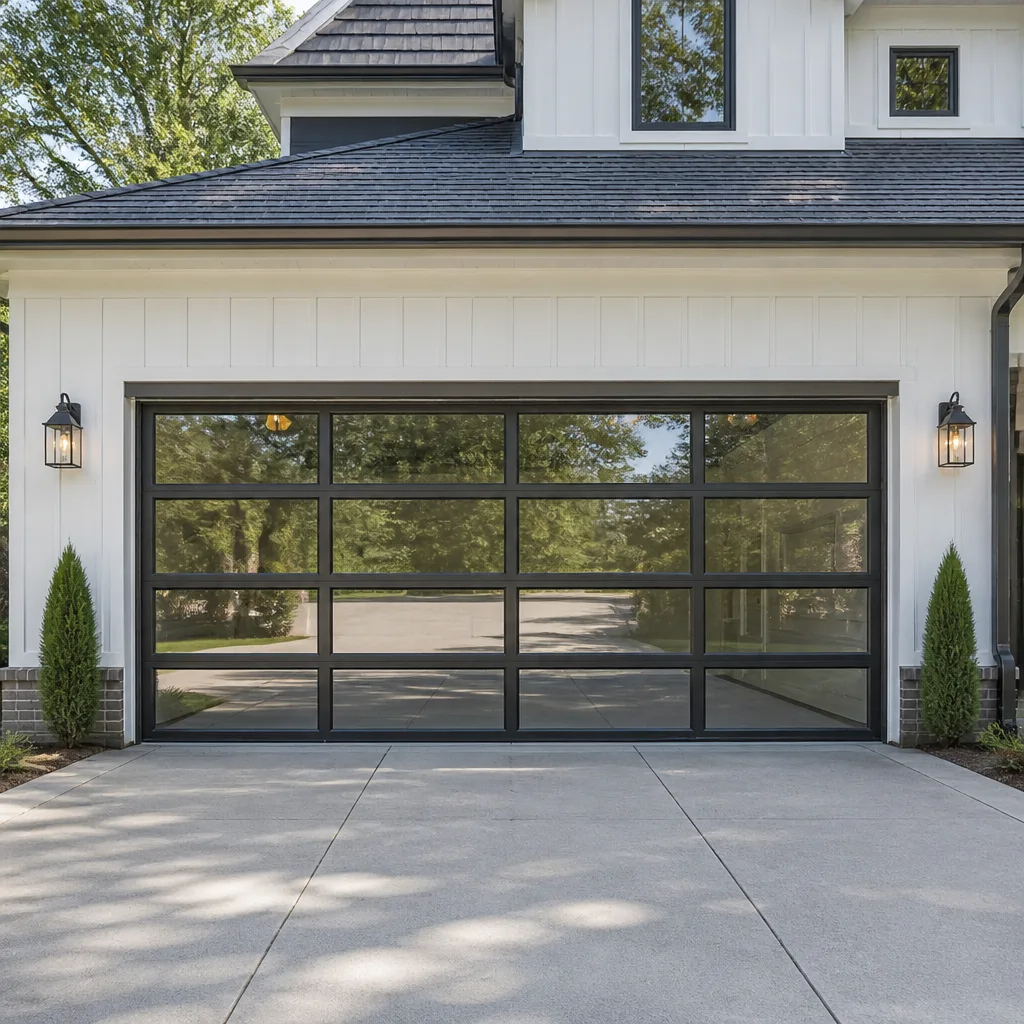 Full-view glass
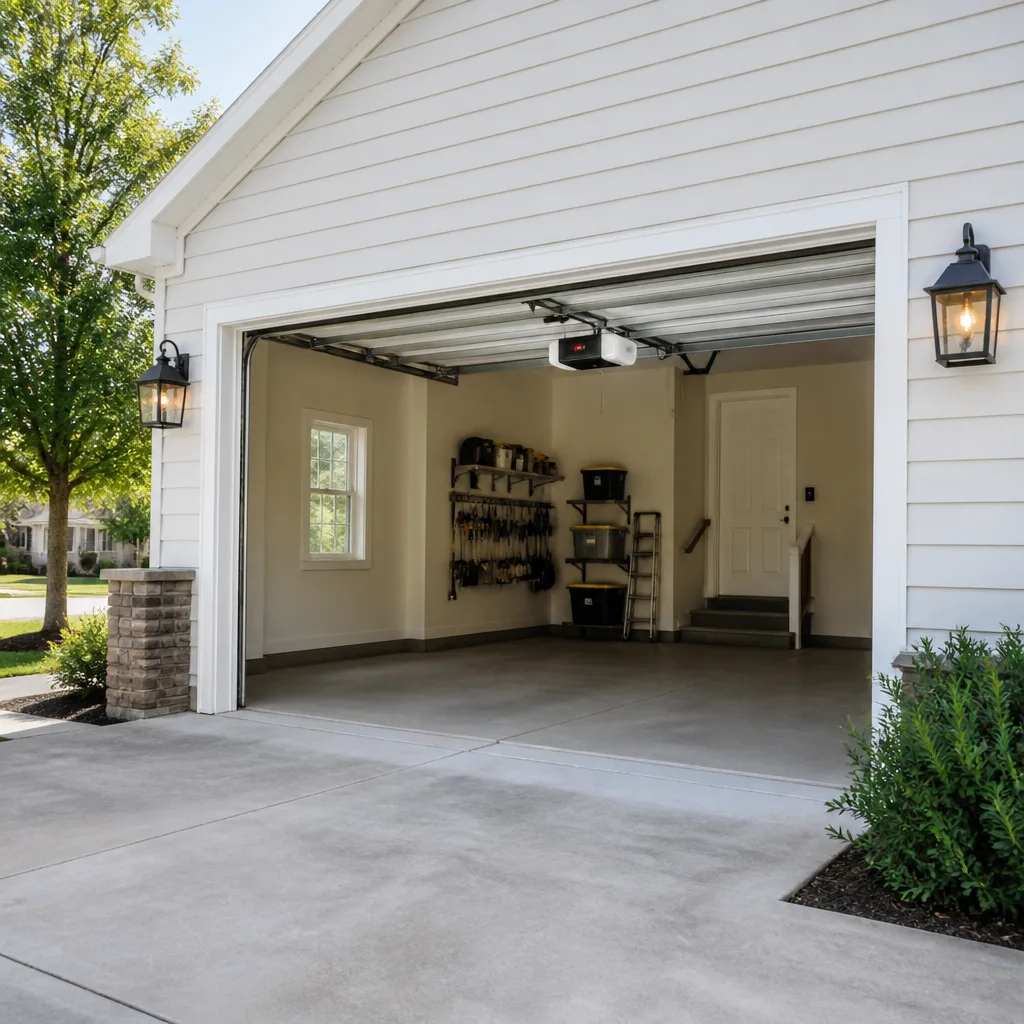 LiftMaster openers
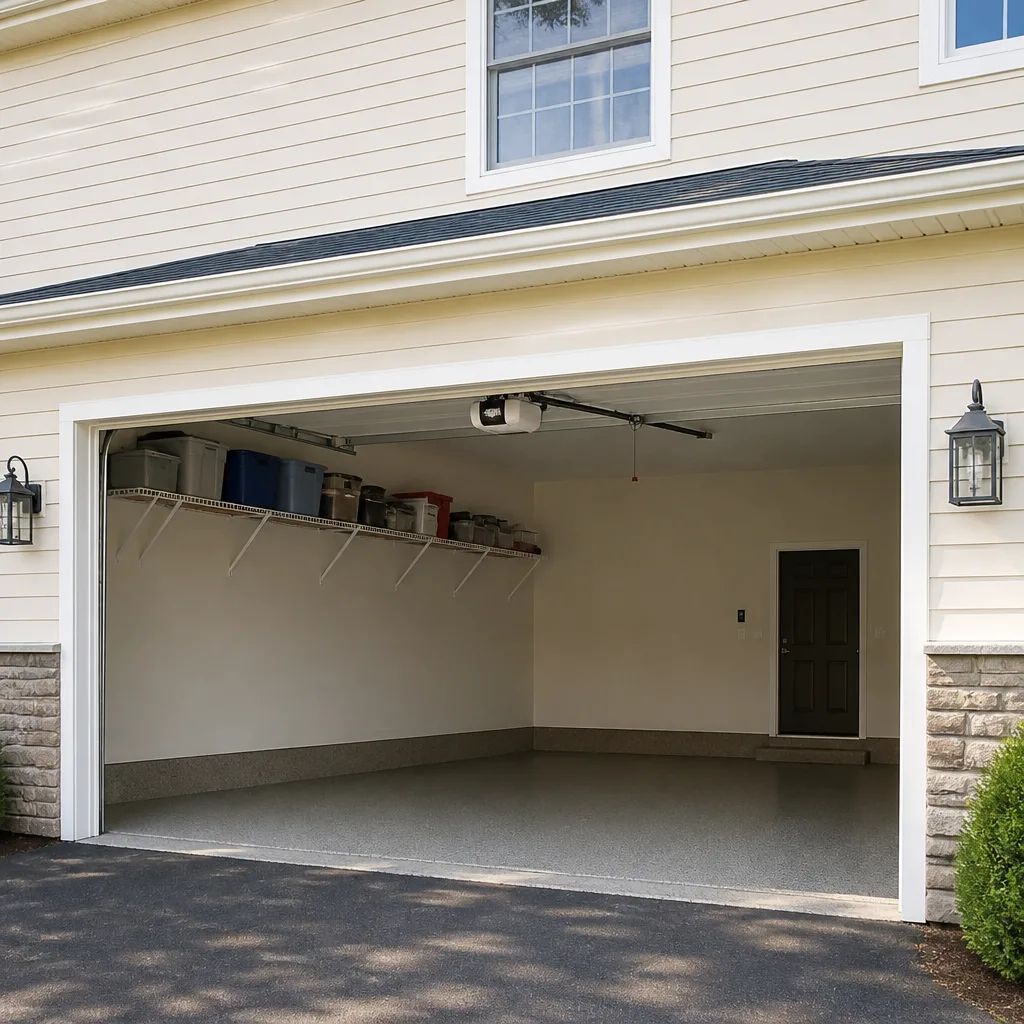 Chamberlain openers
Full 25-point door and opener safety check with every visit - springs, cables, rollers, tracks, and your LiftMaster or Chamberlain opener included
You get a price before we start. It does not change when the pro arrives.
Get your free estimateDIY vs Professional Garage Door: The Everett Homeowner’s Decision Guide
Torsion spring replacement is the most-searched garage door DIY task online, and it’s also the most dangerous. Not because homeowners are careless, but because the physics of a tensioned spring are unforgiving in a way that isn’t obvious until something goes wrong at speed. The line between “I can handle this” and “this needs a professional” sits in a very different place than most Everett homeowners expect. This guide breaks the decision down task by task, so you know exactly which jobs are safe to take on and which ones to hand off.
Quick Answer
Lubrication, sensor alignment, and remote programming are genuinely DIY-friendly. Torsion springs, cables, and structural panel work are not – these involve stored mechanical energy that can cause serious injury, and they should always go to a trained technician. Everything in between depends on your tools, your comfort level, and how much a mistake would cost you.
Styles & brands we work with
- Raised-panel steel
- Carriage house
- Modern flush
- Full-view glass
- LiftMaster openers
- Chamberlain openers
Table of Contents
- The Task-by-Task DIY Breakdown
- Why Springs Sit in Their Own Category
- The Real Cost of a DIY Spring Repair Gone Wrong
- Opener Installation: Who’s Actually Ready to DIY It?
- Washington Law, Contractor Licensing, and Your DIY Rights
- How Quick Fixes Create Hidden Failure Points
- What Everett Homeowners Should Know About Their Doors
- Repair vs Replace: The Decision That Comes First
The Task-by-Task DIY Breakdown
Not every garage door task carries the same risk. Some are simple maintenance that any careful homeowner can handle with basic tools. Others involve hardware under extreme tension that demands specific training. Here’s where each common task falls.
Safe for DIY
- Lubrication: A few drops of garage door lubricant on rollers, hinges, and the track keeps things quiet and smooth. White lithium grease or a silicone-based spray works well. Do this a couple of times a year.
- Sensor alignment: If your door reverses for no obvious reason, the safety sensors near the floor may be misaligned or blocked. Wiping the lenses and nudging them back into position is straightforward.
- Remote programming: Pairing a new remote to a LiftMaster, Chamberlain, or Genie opener is a matter of pressing the learn button and following the manual. Most take under five minutes.
- Track wiping: A damp cloth on the inside of the track removes grime. Never bend or force the track itself.
- Visual inspection: Look at springs, cables, rollers, and panels regularly. Spotting a frayed cable or a stretched spring early is genuinely useful.
Not DIY – Call a Professional
- Torsion spring replacement: The single most dangerous repair on the entire door. Springs store enough energy to cause severe injury if released incorrectly.
- Extension spring replacement: Less technically demanding than torsion but still under heavy tension. Still not a homeowner job.
- Cable replacement: Cables work with the springs and are under the same tension. A snapped cable can whip with real force.
- Panel replacement: Structural. A misaligned panel puts stress on the whole door and can compromise the track.
- Track realignment or replacement: A bent track throws off the entire door’s balance and needs proper gauging.
- Opener motor or drive replacement: Involves electrical connections, spring tension, and precise alignment. More on this below.
Why Springs Sit in Their Own Category
Every other garage door repair has a reasonable DIY path if you’re patient and careful. Springs don’t. A torsion spring holds the entire weight of the door under constant rotational tension, and the tools that safely release that tension are specialty items most homeowners don’t own and shouldn’t improvise. When a spring lets go under load, it releases its stored energy in an instant. There’s no warning, no gradual failure, no second chance to step back.
This is why we treat garage door spring repair as its own discipline rather than a line item on a general repair list. The technicians who handle it know how to measure wire gauge, count coils, identify the correct wind direction, and use winding bars safely. Those aren’t skills you pick up from a video. They’re learned over hundreds of jobs, and the cost of getting them wrong is measured in emergency room visits, not just a broken door.
There’s also a parts problem. Springs are sized to the specific weight of your door. A Clopay door from one model line uses a different spring than an Amarr door of similar dimensions. Ordering the wrong spring is common among DIYers, and an undersized or oversized spring will fail early or strain the opener. We’ve seen this often enough to know it’s not a fluke – it’s what happens when someone buys a spring by eyeballing it instead of calculating the load.
Add in the fact that springs on many modern doors are paired, and replacing one without the other is a false economy. A matched pair costs roughly twice a single spring, and it’s the only way to get even tension across the door. A single-spring fix on a dual-spring door leaves the door out of balance and puts extra load on the remaining spring.
The Real Cost of a DIY Spring Repair Gone Wrong
The math on DIY spring replacement looks attractive right up until it doesn’t. A spring kit and a pair of winding bars might cost a fraction of a professional repair, but that’s the cost of doing it correctly. The cost of doing it wrong shows up in three places.
- Injury: Torsion springs release at high rotational speed when they fail under load. Hand and facial injuries are the most common result when a winding bar slips or a spring lets go unexpectedly. An emergency room visit costs far more than a professional spring replacement, and that’s before you count the recovery time.
- Door damage: An improperly tensioned spring can bend the center bracket, warp the shaft, or distort the door panels. What started as a spring repair turns into a spring plus bracket plus shaft repair, and sometimes a full door replacement.
- Opener damage: A door that’s out of balance forces the opener to work harder than it was designed for. The motor, gear assembly, and drive belt all take the strain. In our experience, an unbalanced door is one of the leading causes of premature opener failure.
Add the possibility of a warranty claim being denied because the repair wasn’t done by a qualified technician, and the “savings” evaporate fast. The honest position is simple: a spring repair is one of the few home maintenance tasks where the professional cost is genuinely the cheaper route once you weigh everything that can go wrong.
Opener Installation: Who’s Actually Ready to DIY It?
Opener installation is the task where the DIY line is genuinely blurry. Some homeowners have the tools and aptitude to do it well. Others will spend four hours, get frustrated, and still need a technician – only now the opener is half-mounted and the wiring is dangling. Here’s how to tell which group you’re in.
You’re probably ready to DIY an opener install if:
- You’ve done basic electrical work before – wiring a fixture, replacing a switch – and you’re comfortable working from a wiring diagram.
- You own or can borrow a stud finder, a drill with a full bit set, a socket set, and a ladder that reaches your ceiling safely.
- Your ceiling is finished and accessible, and you can see where the header bracket will mount without opening up drywall.
- You’re installing a like-for-like replacement of the same drive type. Swapping a belt-drive LiftMaster for another belt-drive is much simpler than switching from chain to belt or jackshaft.
- You’ve read the full manual before you start, not after something goes wrong.
You should call a professional if:
- Your garage has high ceilings, a low clearance situation, or no accessible ceiling joists for the rail.
- You’re switching drive types – belt to chain, chain to jackshaft, or adding a wall-mount unit where there wasn’t one.
- You want smart controls like MyQ or a Chamberlain WiFi opener configured properly the first time.
- You’re not comfortable making permanent electrical connections, or your opener location has no existing power.
- The door itself is older or out of balance. A new opener on an unbalanced door will fail early no matter how well it’s installed.
If you’re in the second group, we can take care of garage door opener repair and installation so you don’t spend a Sunday wrestling with a rail that won’t align. The diagnostic time alone usually pays for itself, since our technicians already know the common failure points in the LiftMaster, Chamberlain, and Genie families.
Washington Law, Contractor Licensing, and Your DIY Rights
Washington State allows homeowners to perform work on their own property without a contractor license, and that includes garage door repairs. No permit is typically required for a spring replacement, opener swap, or panel repair on an existing door. That means you’re legally free to DIY almost anything on your garage door – the law doesn’t stop you.
What the law does regulate is who can be paid to do the work. Anyone you hire to perform garage door repair or installation in Everett must be a licensed contractor, and that licensing requirement exists for a reason: it confirms the contractor is insured and bonded, which is what protects you if something goes wrong on the job. If you hire someone who isn’t licensed and they get hurt or damage your property, the liability can land on you.
A new door installation is a different category. Most cities, including Everett, require a permit for a full door replacement because it’s a structural change to the home’s exterior. If you’re replacing a door rather than repairing one, check with the city’s building department before you start. A contractor handling the installation will typically pull the permit as part of the job.
One more piece worth knowing: warranty terms. Many manufacturers require installation or repair by a qualified professional to keep the warranty valid. A DIY spring replacement that fails early might not be covered, and a DIY opener install that damages the motor almost certainly won’t be. It’s worth reading the warranty page before you pick up a wrench.
How Quick Fixes Create Hidden Failure Points
The most expensive DIY repairs aren’t the ones that fail immediately. They’re the ones that seem to work and then create a slow-burn problem that costs more later. A few common examples.
- A spring that’s one gauge too light: The door opens and closes fine for a while. The spring then fails early – often within months – because it’s being cycled beyond its designed load. The door itself is also out of balance, which strains the opener.
- A track that’s been bent back into shape: A forced track never sits quite right. The rollers wear unevenly, the door hesitates on the way up, and eventually a roller pops out of the track entirely.
- Sensor lenses nudged but not fixed: A sensor that’s been taped, shimmed, or wedged into place works until the tape loosens. The door then reverses unexpectedly, sometimes with a car halfway in.
- A cable that’s been re-clamped: Cables are under spring tension. Re-clamping a frayed cable restores the door temporarily, but the cable can fail under load, and a snapped cable can whip with real force.
- An opener installed on a door with a worn roller or hinge: The opener runs fine for a few weeks, then starts straining because the door was already bound up. The motor usually fails before the worn part does.
- A panel replacement done without aligning the track: The new panel looks right, but the door is slightly out of square. The opener works harder, the rollers wear faster, and eventually the door comes off the track entirely.
The common thread is that a quick fix treats a symptom while leaving the underlying problem in place. In our experience, most of the expensive repairs we handle on Everett doors trace back to an earlier DIY attempt that appeared to succeed but didn’t address the real issue. Fixing it correctly the first time is almost always the cheaper route when you total up what a repeat repair costs.
What Everett Homeowners Should Know About Their Doors
The garage doors we see around Everett tend to share some characteristics. Many homes in established neighborhoods like Bayside and Riverside have doors that are decades old, often original to the build. That means the springs, rollers, and openers on those doors have already lived through many cycles, and the hardware may be near the end of its service life. A DIY attempt on a tired spring is riskier than on a newer one because the metal has less margin before it fails.
The local climate matters too. Everett’s wet winters and cool, damp air put garage doors through constant moisture cycling. Wood panels can swell and shift. Steel panels can show rust at the bottom edges where water pools. Rollers and hinges dry out and bind faster than they would in a drier climate, and openers work harder when the door isn’t moving freely. We’ve found that lubrication schedules here need to be more frequent than the generic “once a year” advice you’ll see online – twice a year is more realistic in Everett.
Housing style comes into play as well. Older homes in central Everett often have single-car garages with low ceilings, which affects which opener types fit and how panels need to be removed during a repair. Newer construction in the Silver Lake and Holly areas more often uses taller doors with higher-lift tracks and smart openers. The right repair approach depends a lot on which style of house you’re in, and a generic DIY video usually assumes one configuration.
Repair vs Replace: The Decision That Comes First
Before deciding DIY versus professional, decide whether the right answer is a repair at all. A twenty-year-old door with a snapped spring and a rusted bottom panel is a candidate for replacement, not repair. A five-year-old door with a single broken spring is almost always a repair. Getting this call right is the most valuable service a specialist offers, because it’s the one that saves the largest amount of money.
Here’s a rough way to think about it:
- Repair makes sense when the door is otherwise sound, the failure is isolated (a spring, a roller, a single hinge), and the door still has many years of useful life ahead.
- Replacement makes more sense when multiple parts are failing at once, the door has visible structural damage, or the opener is old enough that a new door would strain it anyway.
- It’s a toss-up when the door is mid-life and the repair cost is a meaningful fraction of a full replacement. This is the case where having both repair and installation under one roof makes a real difference, because the company recommending the work isn’t financially invested in one outcome.
Our garage door repair work and our installation work run on the same team, so we can honestly tell you which route makes sense for your door. That’s the advantage of dealing with a specialist rather than a general handyman who only does repairs or a dealer who only sells new doors. We fix garage doors. That’s the whole job, and it means we’re not biased toward either answer.
Common Mistakes to Avoid
- Treating a torsion spring like an extension spring. They’re different mechanisms with different failure modes and different tools. A video for one doesn’t apply to the other. Confusing them is the most common and most dangerous mistake we see.
- Buying a spring by size instead of by load. Springs are rated by wire gauge, inside diameter, and length. Eyeballing a replacement is almost guaranteed to get you the wrong one. Calculate or consult a specialist.
- Replacing one spring on a dual-spring door. A single new spring on an old pair leaves the door out of balance and shortens the life of both springs. Replace the pair.
- Ignoring a frayed cable until it snaps. Cables work with springs under heavy tension. A frayed cable is a warning, and a snapped one can whip with enough force to break a window or worse.
- Forcing a bent track back into place. A track is precision-shaped. Bending it back by hand never restores the original geometry. The door will run rough, and the rollers will wear out faster.
- Installing an opener on an unbalanced door. A new opener on a door that’s already out of balance will fail early. Balance the door first, or the opener is wasted money.
- Disabling a safety sensor instead of fixing it. Taping over a sensor or bypassing it removes the door’s only protection against closing on a person, a pet, or a vehicle. Never leave a sensor disabled – fix it or call for help.
- Skipping the permit on a door replacement. An opener swap typically doesn’t need one. A full door replacement usually does. Check with the city’s building department before you start, especially in Everett where older neighborhoods have specific structural considerations.
See the difference
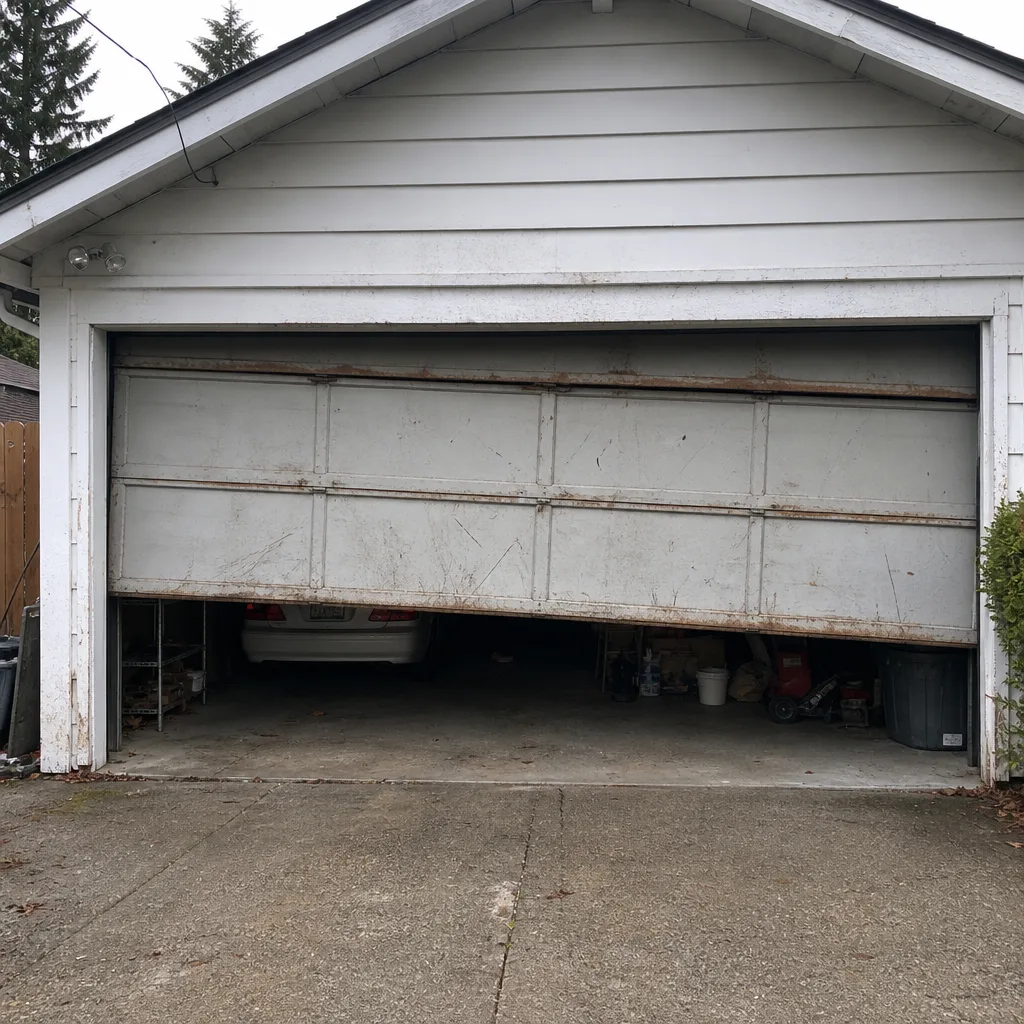 Before
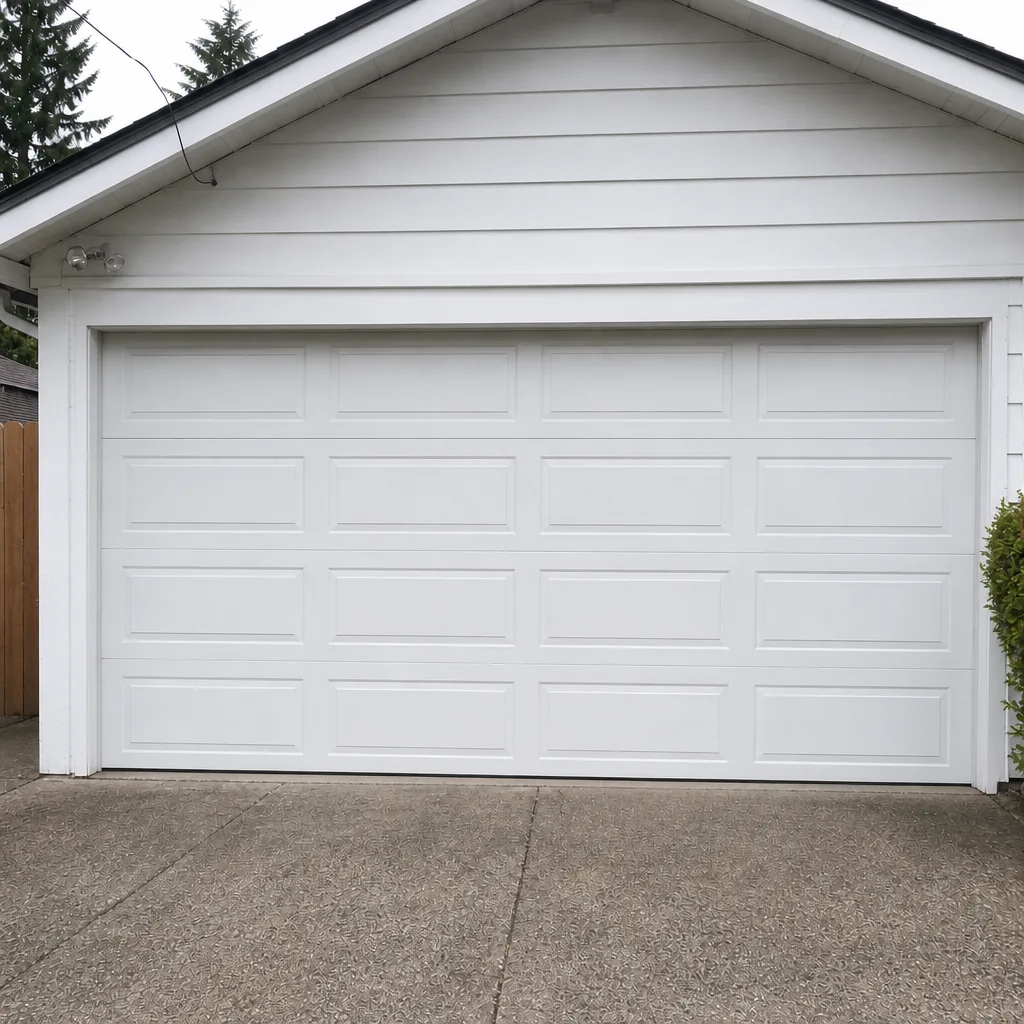 After
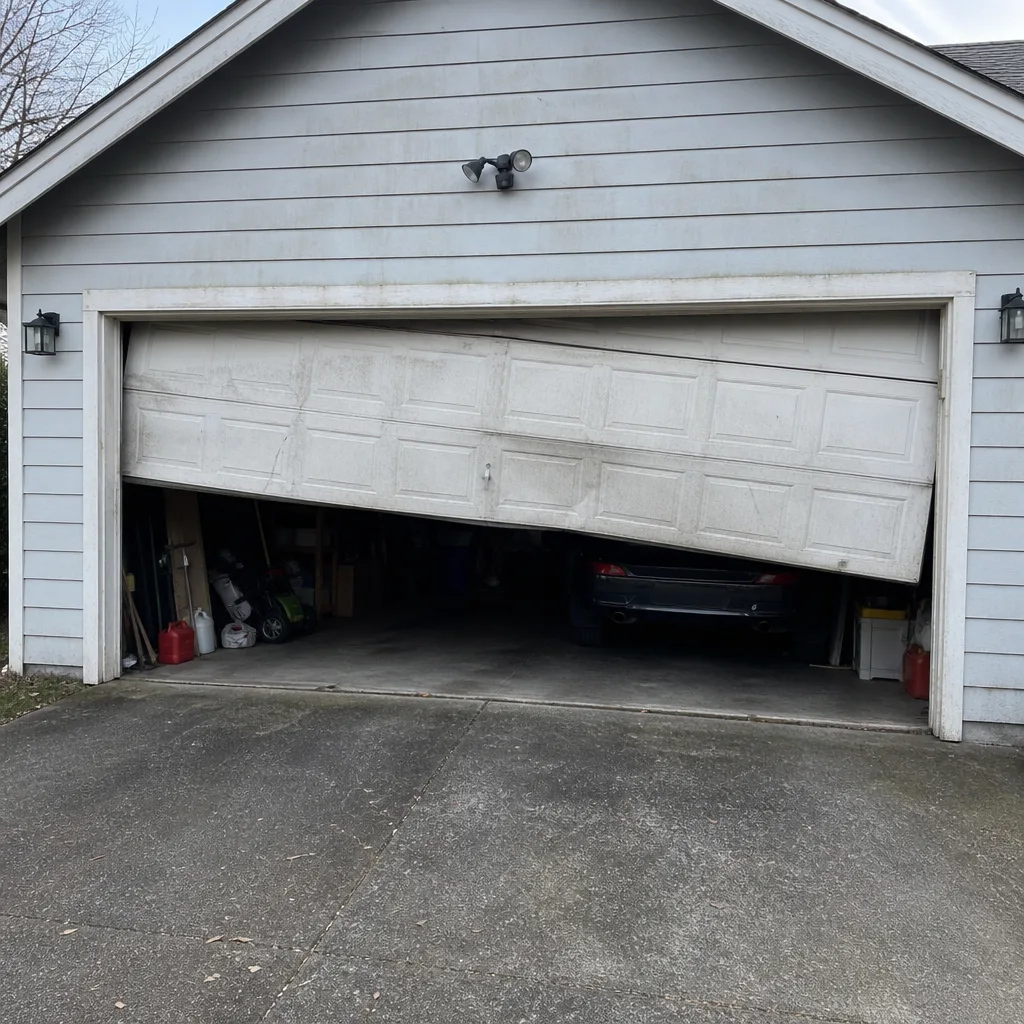 Before
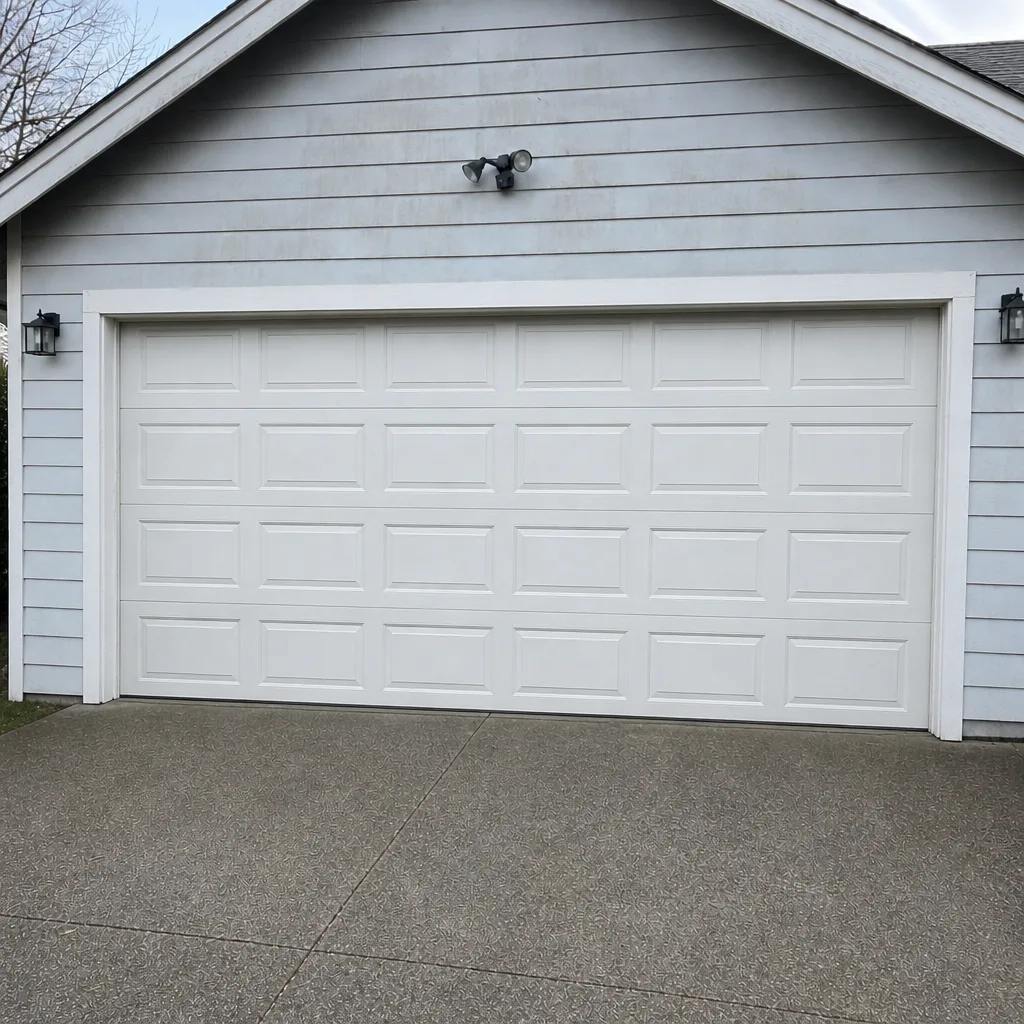 After
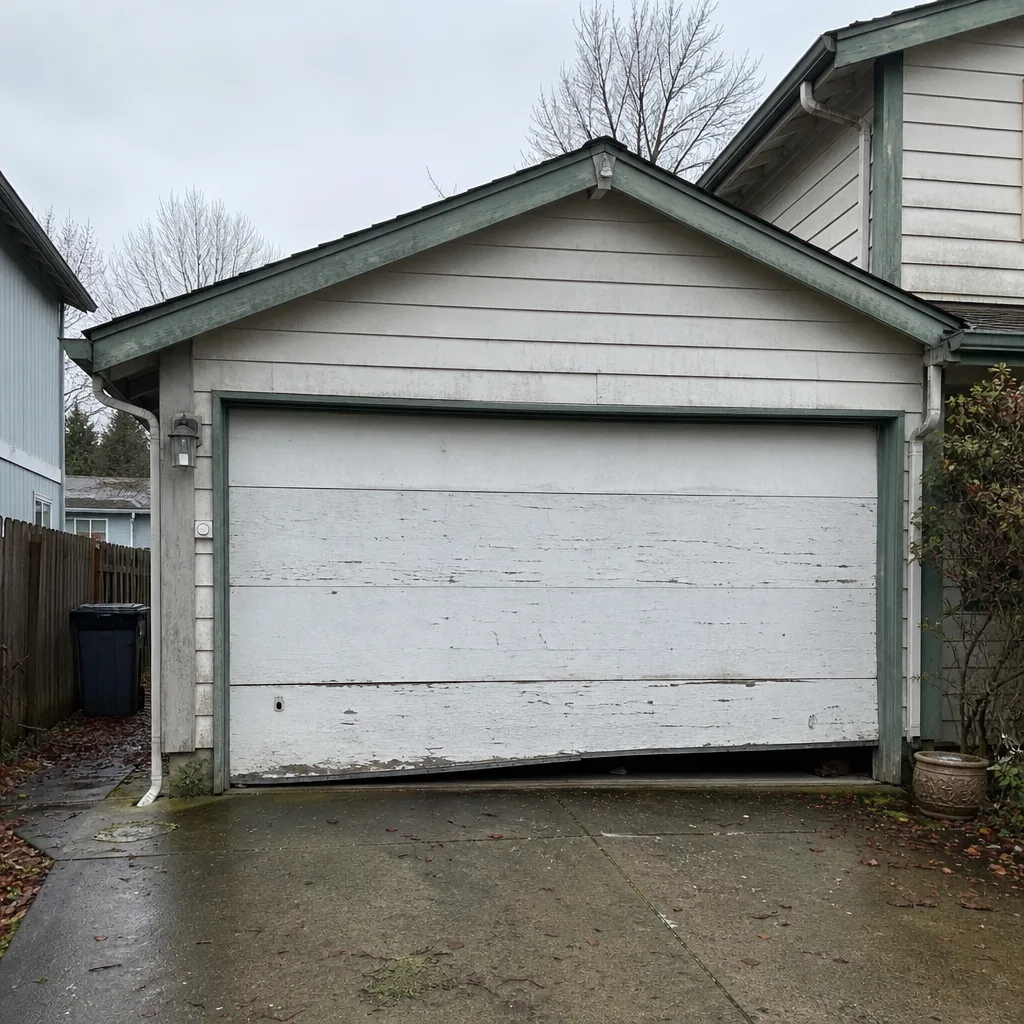 Before
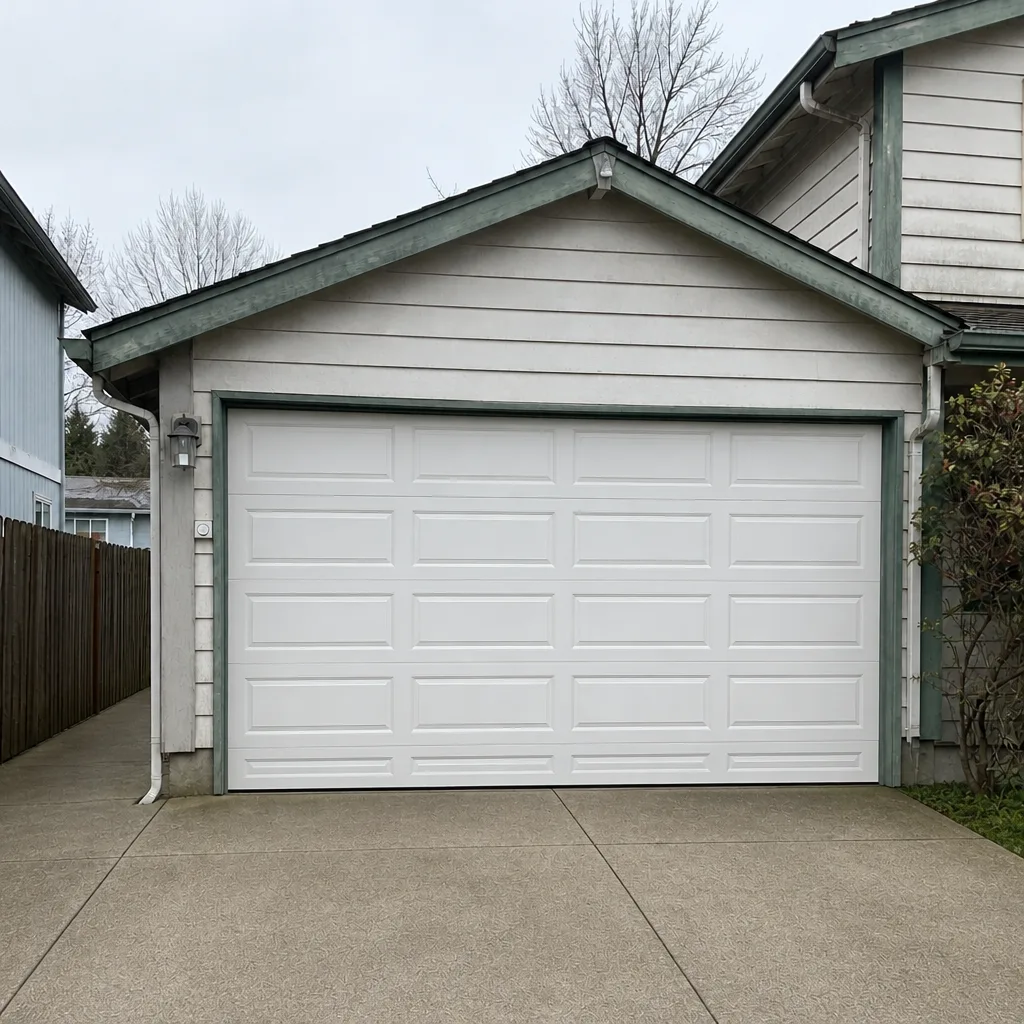 After
When to Call a Professional
Call a professional if the task involves springs, cables, structural panels, or an opener install you’re not fully confident about. Call the same day if the door is stuck open (a security problem) or stuck shut (a trapped vehicle). Call before you start if the door is unusually heavy, hard to lift, or has visible rust around the spring bracket – all signs that the hardware is tired and the risk of a DIY attempt is higher.
Everett Garage Door Repair Co offers free estimates in Everett. Call (833) 991-9736. We answer 24/7. Fast dispatch from 7am to 7pm, Sunday through Friday, and we’re closed Saturday. When the door won’t move, we move fast.
Frequently Asked Questions
You can legally, since Washington allows homeowners to work on their own property, but you shouldn’t. Torsion springs hold the full weight of the door under extreme tension, and releasing that tension incorrectly causes serious injury. A licensed technician with proper winding bars and the right spring size is the only safe route.
Typical spring repair in the Everett area usually runs a few hundred dollars for a single spring, with a matched pair running roughly twice that. The written estimate from a licensed professional sets the final price, and it’s quoted before any work starts. Call (833) 991-9736 for an exact quote – estimates are free.
Lubrication, sensor alignment, remote programming, and visual inspections are all safe. Track wiping and cleaning are fine too. Springs, cables, panel replacement, and opener motor or drive work should go to a professional.
Often, yes. Many manufacturers require installation and repair by a qualified professional to keep the warranty valid. A DIY spring replacement that fails early might not be covered. Check your specific warranty terms before you start.
Sometimes. If you’re replacing a like-for-like unit with the same drive type and you’re comfortable with basic wiring and ceiling mounting, it’s a reasonable DIY project. If you’re switching drive types, adding smart controls, or dealing with high ceilings, a professional install is safer and usually faster.
Yes. We run dedicated emergency garage door service for exactly those situations – a door stuck open leaves your home exposed, and a door stuck shut traps your vehicle. Call (833) 991-9736 for same-day help. We answer 24/7, and we dispatch from 7am to 7pm, Sunday through Friday. We’re closed Saturday, so a Saturday call will be booked into the next opening on Sunday.
The Bottom Line
The DIY question isn’t a philosophical one about self-reliance. It’s a specific calculation per task, and the answer varies widely. Lubrication, sensor alignment, and remote programming are genuinely fine to handle yourself. Springs, cables, and structural panels are not, and no video changes that. In between, opener installation depends on your tools, your wiring comfort, and your door type. When in doubt, get a free estimate. It costs nothing to have a specialist look, and it can save you from a repair that costs far more than the one you were trying to avoid. Call (833) 991-9736 for a free estimate on any garage door work in Everett.
Written by the team at Everett Garage Door Repair Co.