
Last updated November 23, 2026
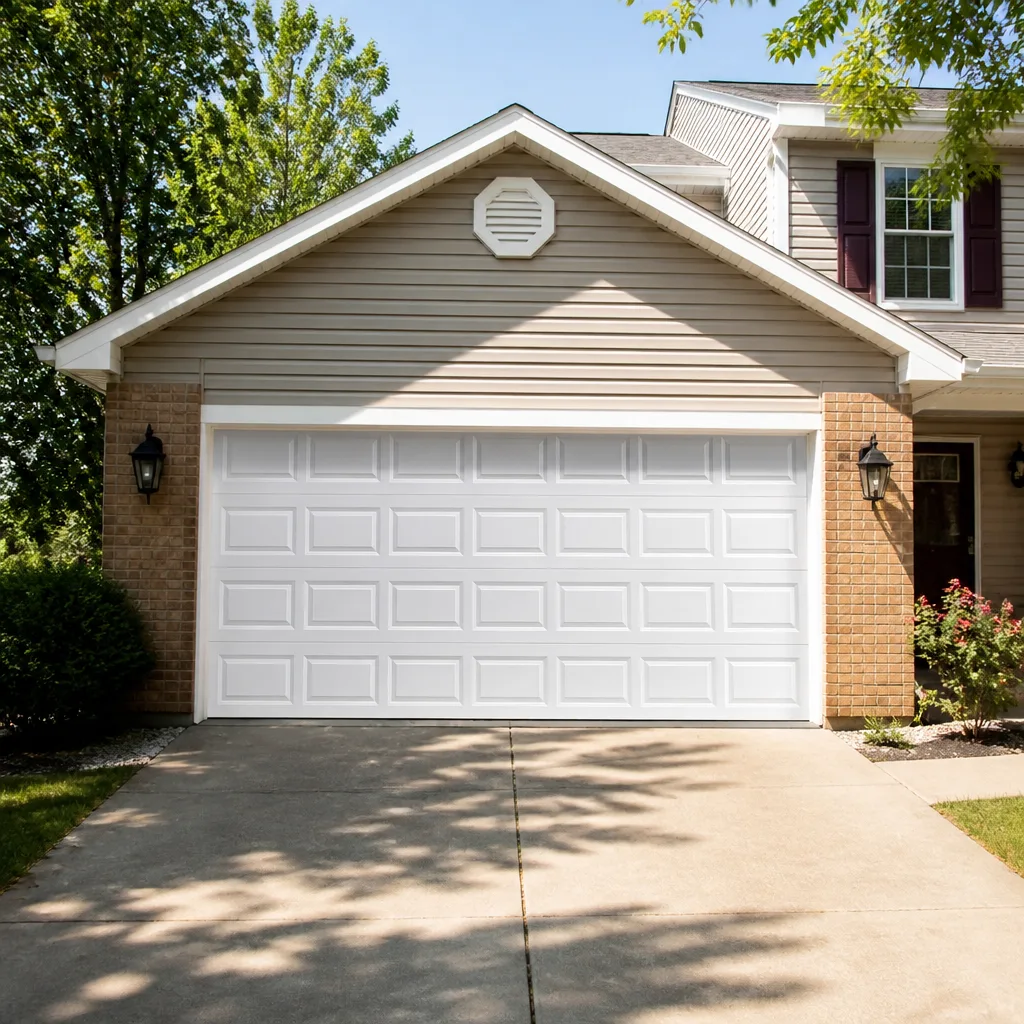 Raised-panel steel
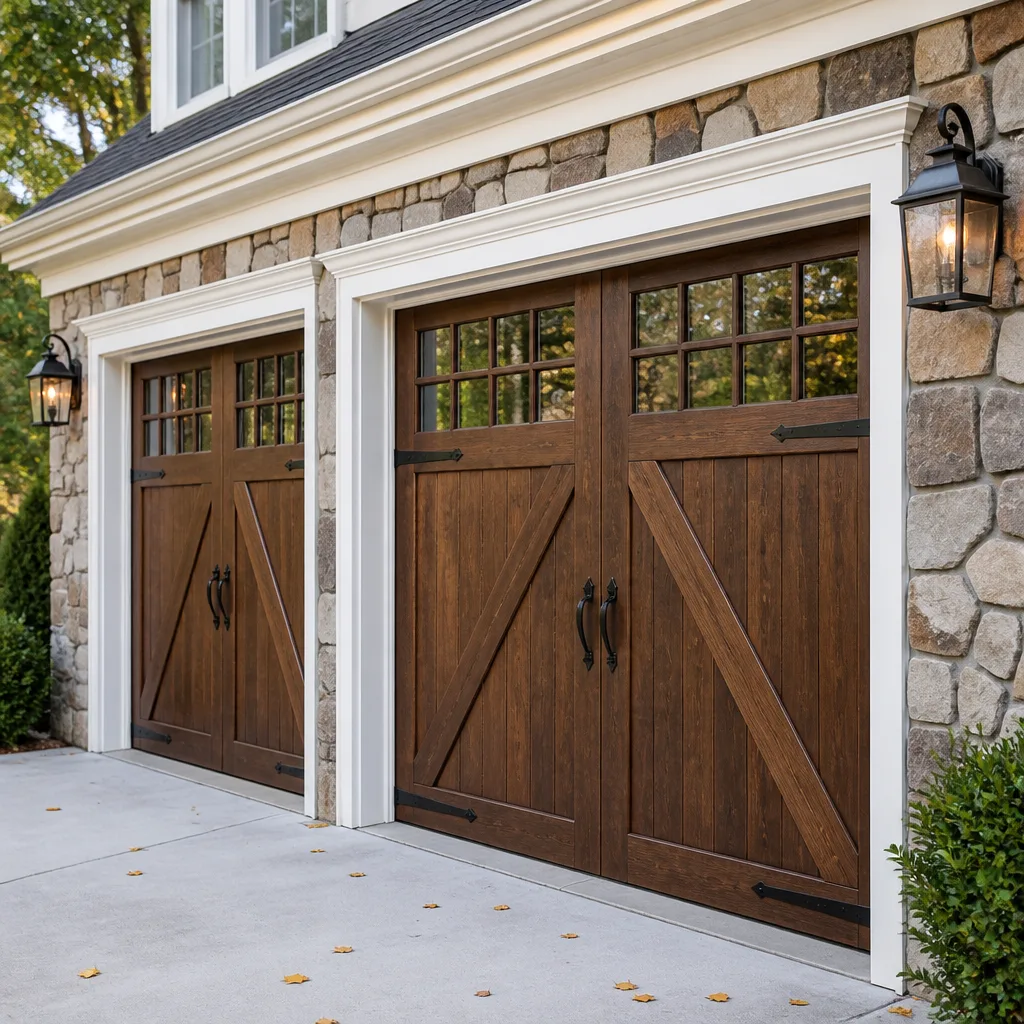 Carriage house
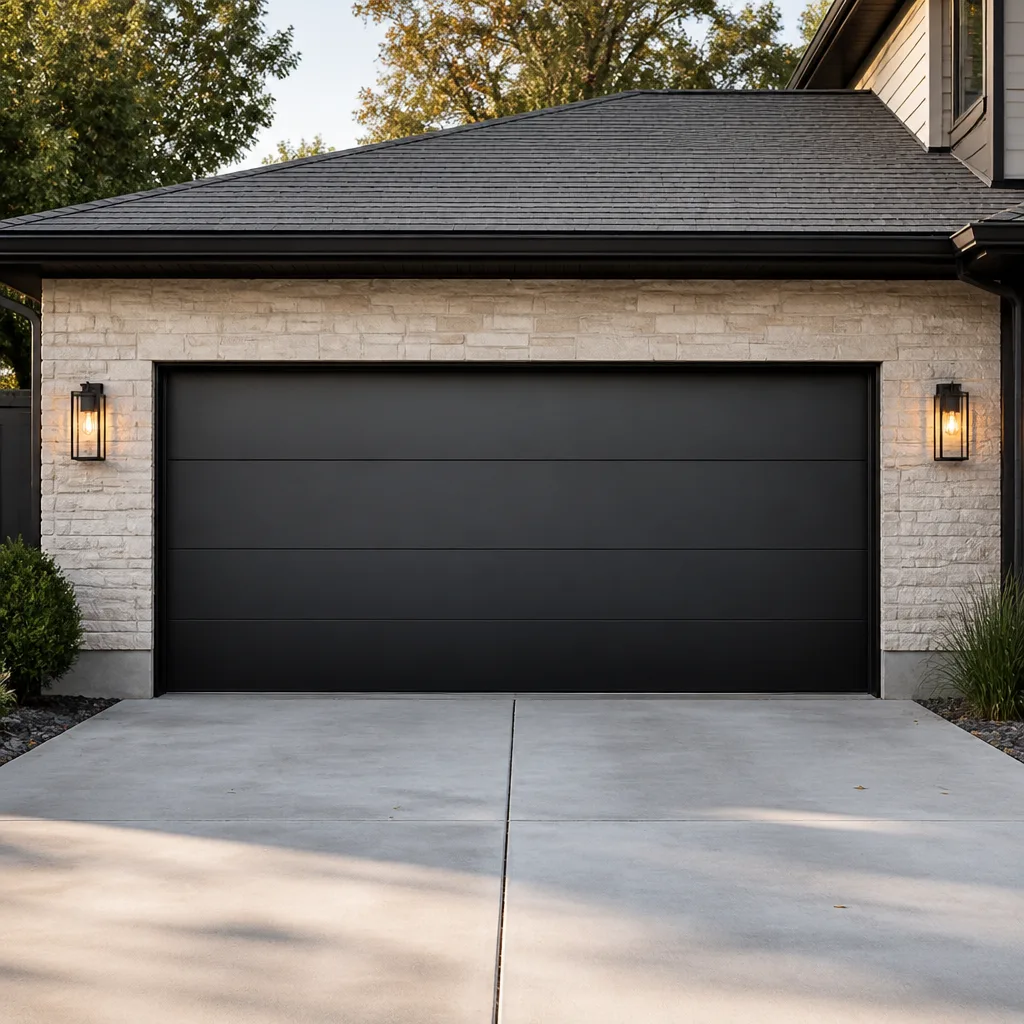 Modern flush
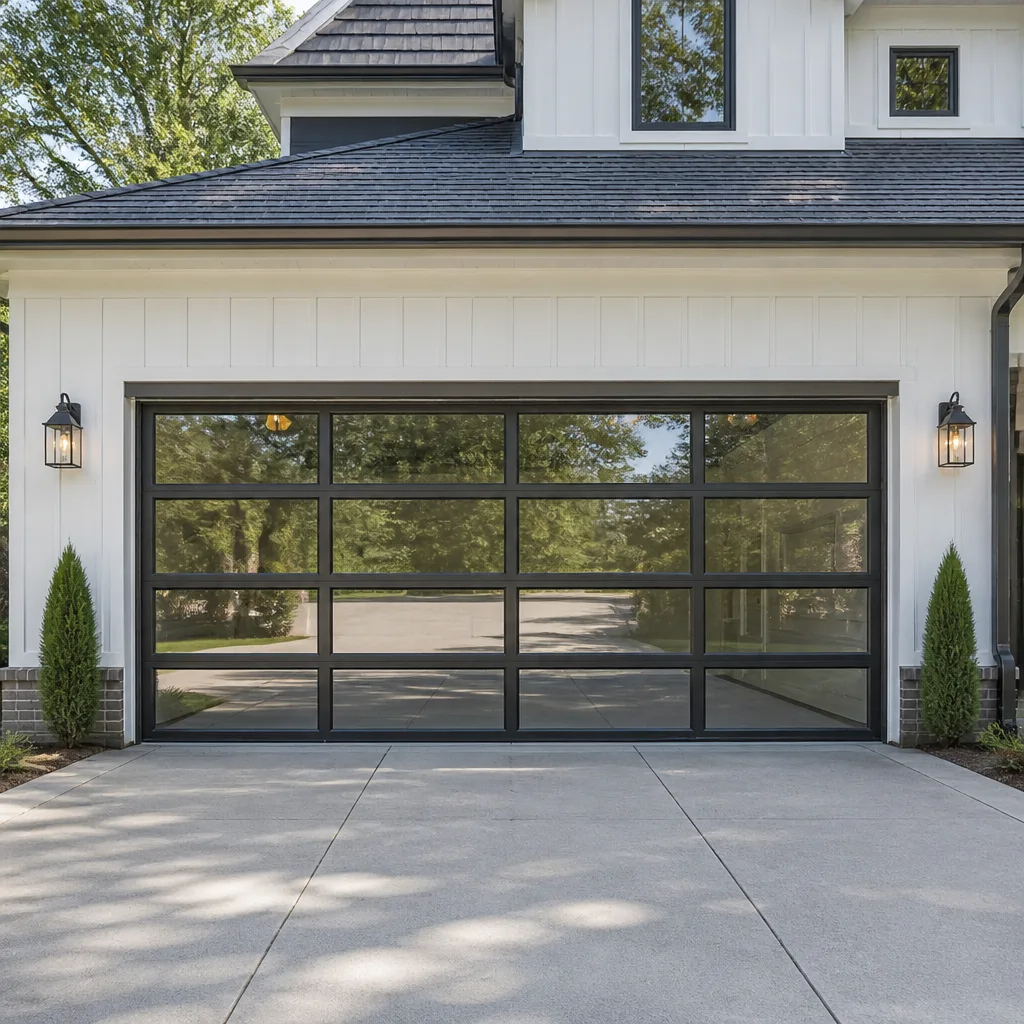 Full-view glass
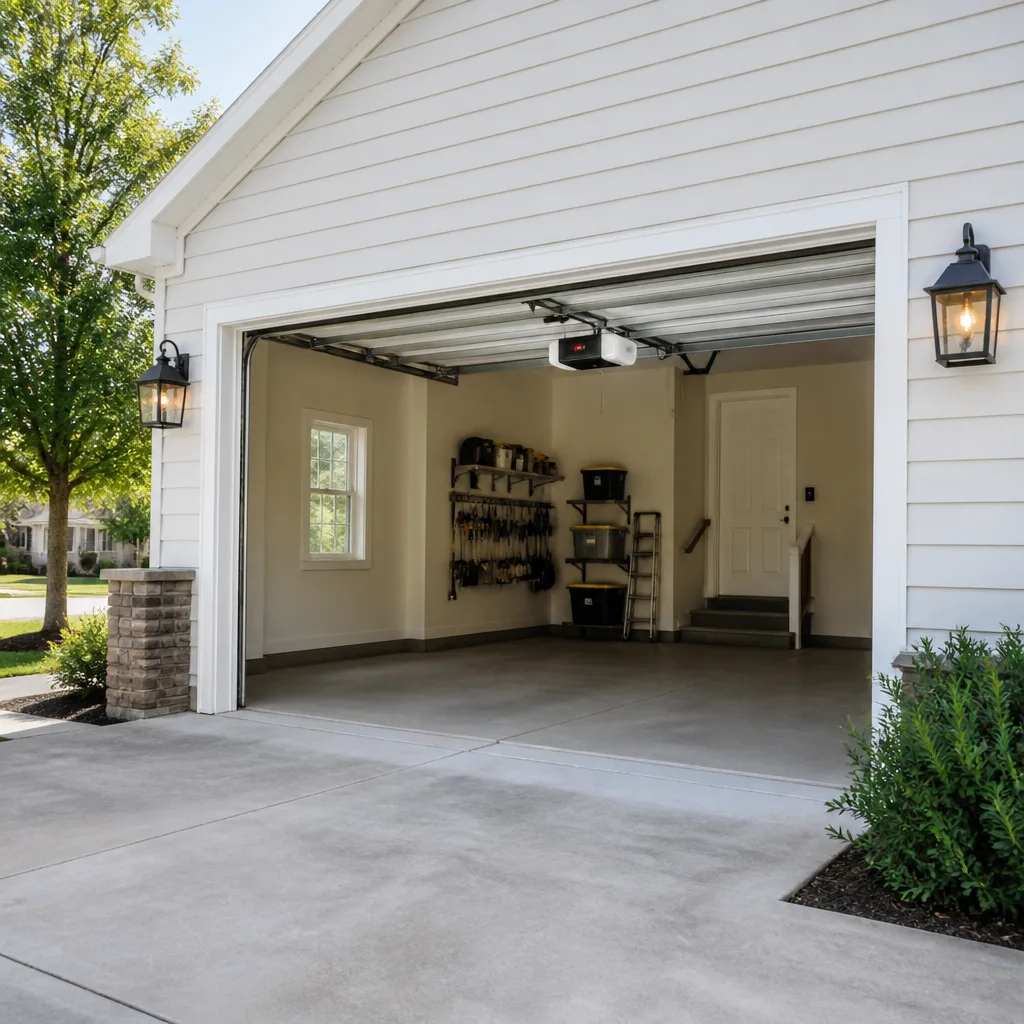 LiftMaster openers
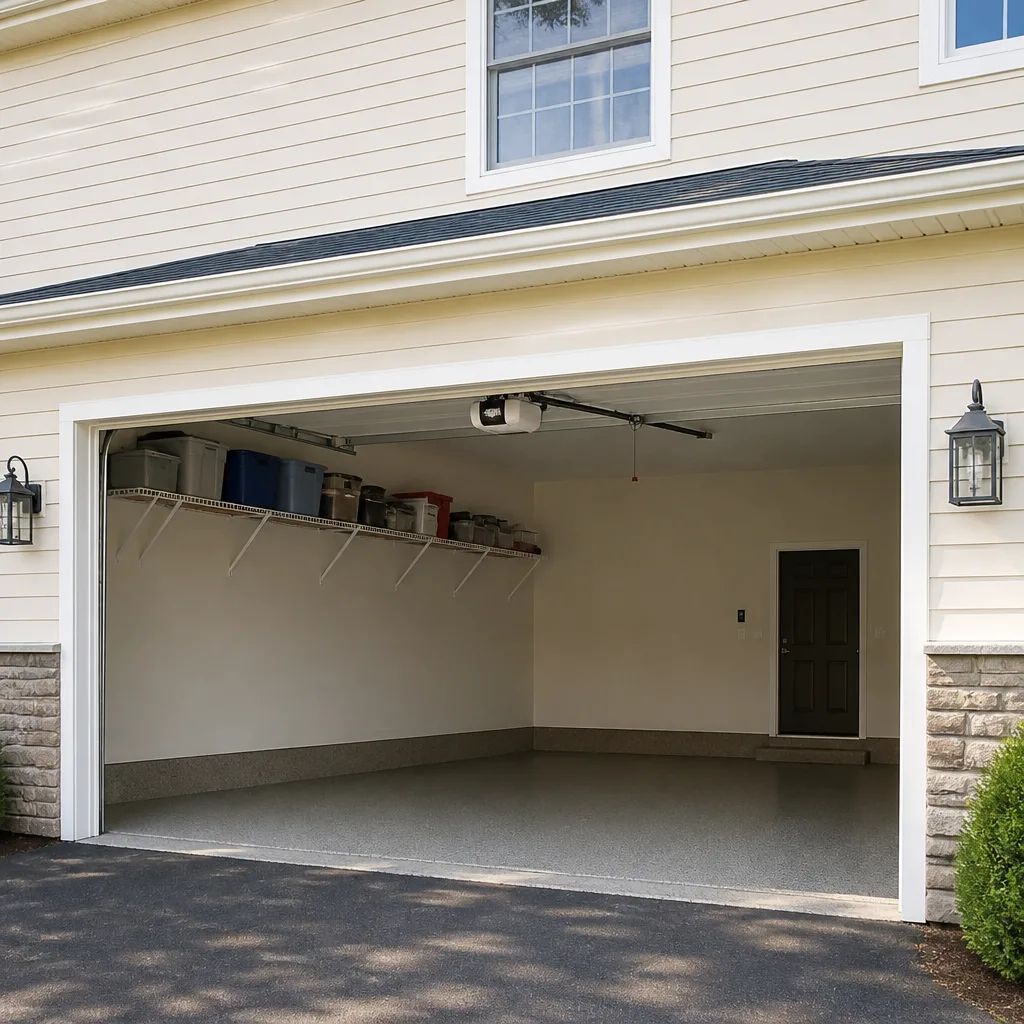 Chamberlain openers
Full 25-point door and opener safety check with every visit - springs, cables, rollers, tracks, and your LiftMaster or Chamberlain opener included
You get a price before we start. It does not change when the pro arrives.
Get your free estimateThe Complete Guide to Garage Doors in Everett
Most garage door advice you’ll find online was written for a dry, inland suburb where hardware lives out a quiet life and a door is just a door. Everett isn’t that place. A garage door here faces wet winters, morning damp that never quite dries off the concrete, and a stretch of the year when everything metal wants to rust. That changes which doors make sense, which springs hold up, and how often openers actually get used. This guide walks through all of it for Everett homeowners and property managers: how to pick materials that survive the climate, how to read your springs and opener, when a repair is the smart call and when it’s money down a hole, and what to expect to pay. By the end you’ll know how to size up your own door and when to hand a job to a trained technician.
Quick Answer
A good garage door decision in Everett starts with moisture and daily cycles, not brand names. Pick a steel door with a heavier gauge and galvanized hardware, expect torsion springs on any insulated door, and budget for the fact that a wet climate and four to six open-close cycles a day wear parts faster than the labels promise. Repair is usually the right call for a single failed component; replacement makes more sense when the door, its frame, and its opener are all near the end at once.
Styles & brands we work with
- Raised-panel steel
- Carriage house
- Modern flush
- Full-view glass
- LiftMaster openers
- Chamberlain openers
Table of Contents
- How Everett’s Climate Changes What You Should Buy
- Door Materials That Hold Up in the Pacific Northwest
- Torsion vs. Extension Springs: Which Belongs on Your Door
- Openers and Daily Cycles: Realistic Expectations
- What a Dealer Sells You vs. What a Specialist Recommends
- Repair or Replace? How to Decide
- When Local Code Turns a Repair Into a Replacement
- What Garage Door Work Costs in Everett
- A Simple Maintenance Routine
How Everett’s Climate Changes What You Should Buy
Everett gets somewhere around 38 inches of rain a year, and the wet season doesn’t politely stop at the garage slab. Damp air sits against steel panels, works into the gaps around the bottom seal, and settles on every unpainted fastener. A door that lives fifteen years in a dry climate may show rust-through years sooner here if the hardware wasn’t specified for moisture. That’s the first thing we look at when we assess a door in Everett: not the color or the pattern, but whether the steel and the hinges are ready for a wet climate.
What that means in practice:
- Steel gauge matters. A thinner 28-gauge door will dent and rust faster than a 24 or 25-gauge door of the same design. For a door that faces the weather, the heavier steel is worth the upcharge.
- Galvanized or coated hardware lasts. Hinges, rollers, and brackets that are plated for corrosion hold up far better than bare steel parts.
- The bottom seal is your first line of defense. A worn vinyl or rubber seal lets water and cold air straight into the garage, which feeds rust along the bottom panel. Replace it when it stiffens or tears.
- Insulation pays twice. An insulated door cuts draft and condensation on the inside face, which helps keep damp from settling on the panels and frame.
None of this is exotic. It’s just the difference between a door chosen for a catalog photo and one chosen for a place that’s wet half the year.
Door Materials That Hold Up in the Pacific Northwest
You’ve got four realistic material choices for a garage door in Everett, and each behaves differently in a damp climate. Here’s how they stack up.
Steel
Steel is the most common choice, and for good reason: it’s strong, it insulates well when filled with foam, and it holds up if the finish is maintained. In Everett the finish is the whole ballgame. A steel door with a factory-baked finish and galvanized hardware will outlast a cheaper door with thin paint and plated-to-a-price hinges. Inspect for scratches once a year and touch them up; that’s what keeps rust from starting.
Aluminum
Aluminum won’t rust the way steel does, which sounds ideal for a wet climate. The catch is that it dents more easily and, on full-view designs, can’t insulate as well. It’s a good fit for a modern look on a mild-weather garage but a poor one if the door faces the weather or you’re after warmth.
Wood and wood-composite
Wood looks great and its warmth suits a lot of Everett homes. It also needs the most care here. Real wood must be sealed and re-sealed to survive the damp, and composite or steel-back wood-look doors give you the appearance with far less upkeep. If you love the wood look but don’t want to refinish every couple of years, a steel or composite overlay is the sensible pick.
Fiberglass
Fiberglass resists moisture well and won’t dent like steel, but it offers less insulation and can fade or chalk over time. It’s a niche choice, worth considering for a low-traffic door where drafts aren’t a concern.
The short version for Everett: heavier-gauge steel with galvanized hardware and a good seal is the safest bet for most homes. Whatever you choose, the hardware underneath matters as much as the panel on top.
Torsion vs. Extension Springs: Which Belongs on Your Door
Here’s the part of the door that does the real work and gets the least attention. The springs counterbalance the door’s weight so your opener isn’t lifting a few hundred pounds on its own. Get the spring system right and the whole door behaves; get it wrong and you’ll be replacing parts constantly. For an insulated door in Everett, a torsion system is almost always the correct choice.
How each type works
- Torsion springs mount on a shaft above the door and twist to lift it. One or two springs carry the load, they’re quieter, they last longer, and if one breaks the door stays in the tracks rather than dropping.
- Extension springs run alongside the horizontal tracks and stretch to lift the door. They’re cheaper and simpler, but they wear faster, they’re noisier, they need safety cables, and they’re more common on lighter, non-insulated doors.
Why torsion wins here
Everett doors are heavier than they used to be. Insulation is standard on most new doors because of the damp and the cold, and a heavy insulated door puts more load on the spring system every single cycle. Torsion springs handle that load more gracefully, they last roughly twice as long as extension springs in the same service, and they don’t send a door crashing if they fail. If you’re replacing springs on an insulated door and someone quotes you extension springs to save money, ask why.
A word of caution, because this is the one part of the door where a mistake can hurt you. Torsion springs are under high tension even when the door is closed, and replacing them is not a casual job. The winding process involves stored energy that can release violently if a bar slips or the wrong technique is used. This is the repair generalists most often get wrong. Have it done by a trained technician. If you suspect a broken spring, our garage door spring repair team handles this high-tension hardware, and it’s worth a call rather than a guess.
Openers and Daily Cycles: Realistic Expectations
Most homeowners overestimate how long an opener will last because they don’t count how often they use it. A garage used as the main entry runs four to six cycles a day, and in a wet climate those cycles happen in cold, damp air that’s harder on the mechanism. That adds up faster than the box suggests. Understanding cycle life is the difference between replacing an opener before it strands you and being surprised when it does.
What drives an opener to fail
- Daily cycles. Every open-close is one cycle. Four to six a day is 1,500 to 2,200 a year before you count errands and guests.
- Load from a heavy door. A binding door or a failing spring forces the opener to work harder, which shortens its life. Fix the door and the opener lasts longer.
- Damp and cold. Moisture and cool temperatures stiffen lubricant and stress the drive components over time.
- Drive type. Belt drives run quieter and smoother, chain drives are rugged and a little louder, and screw drives are the least common. On a door that cycles often, a belt drive paired with a well-balanced door is the easiest on the hardware.
Brand familiarity matters when an opener starts misbehaving. A LiftMaster or Chamberlain unit with a modern drive system behaves very differently from an older Genie or a Craftsman that’s been holding on longer than expected. When we look at an opener, knowing the specific model family means we diagnose the actual fault instead of guessing at it. That’s the difference between a fix and a parts swap. If your opener is the problem, our garage door opener repair service covers motors, remotes, and smart controls under one call.
What a Dealer Sells You vs. What a Specialist Recommends
There are two very different ways to buy a garage door, and the difference shows up in what you’re offered. A manufacturer-only dealer sells one brand and tends to recommend that brand because it’s what they carry, not always because it’s the best fit for your door, your climate, or your budget. A multi-brand specialist looks across several systems and picks what actually works here.
We work across eight major brands: LiftMaster, Chamberlain, Genie, Clopay, Amarr, Wayne Dalton, Craftsman, and Raynor. That range matters in Everett because different doors and openers suit different homes. A Clopay or Amarr steel door might be the right fit for a damp-facing wall, while a Wayne Dalton or Raynor system might make more sense for a particular garage layout. When a technician already knows the model family, the diagnosis is quicker and the right part gets sourced the first time instead of the second.
The other side of it: a specialist who also installs doors can give you an honest repair-or-replace read. A company that only installs will lean toward replacement. We do both, so the recommendation follows the door, not the sales sheet. If repair is the smarter spend, we’ll say so; if replacement genuinely saves you money over the next few years, we’ll say that too. Everett Garage Door Repair Co is built around that kind of straight answer.
Repair or Replace? How to Decide
This is the question that costs people the most money either way. Replace too soon and you’ve spent on a door that had years left. Repair too long and you’re pouring money into a door that’s failing in several places at once. Here’s how to think it through.
- Count what’s actually failing. One broken spring, a single dented panel, or a tired opener is a repair. A door that’s rusted through at the bottom, off its tracks, and paired with a failing opener is closer to replacement.
- Check the structural parts, not the surface. Rust at the bottom edge, a sagging frame, or tracks that won’t stay true are structural warnings. Scratches and a worn seal aren’t.
- Look at the door’s weight and balance. A door that’s hard to lift by hand or drops when you let go needs its springs and balance corrected before anything else.
- Add up the age. A door that’s already on its second spring set and losing insulation value is usually better replaced than repaired again.
- Match the opener to the decision. If you’re keeping the door, a tired opener is a straightforward replacement. If you’re replacing the door, size the opener to the new door’s weight.
In Everett, the wet climate tips the scale toward replacement earlier than in a dry city, because moisture attacks the panels and frame from the bottom up. Once rust reaches the structural steel, repairs stop making sense. Need a second opinion before you commit? Our garage door repair team gives free estimates and will tell you which side of the line your door is on.
When Local Code Turns a Repair Into a Replacement
Sometimes the decision isn’t yours to make. Certain repairs cross a threshold where an inspector treats the work as a new installation and expects it to meet current requirements. That’s where a repair bill can turn into a replacement project, and it’s better to know before you start.
The usual triggers:
- Structural changes. Moving the opening, changing the header, or rebuilding the frame around the door is usually treated as new construction.
- Safety features. Current openers use a photo-eye and reversing safety system. Bringing an older opener up to that standard is often required when the door or opener is replaced.
- Electrical work. New opener wiring or a new outlet for the opener can pull in an electrical inspection.
- Permit history. If a prior remodel was never permitted, an inspector may require it to be brought up to code before signing off on new work.
Permit rules vary by jurisdiction and can change, so the right move is to ask the city’s building department directly when a repair is more than a like-for-like swap. We don’t guess at code; we’ll point you to the authority that decides it, and we’ll do the work to match.
What Garage Door Work Costs in Everett
Prices vary with the door, the parts, and the scope of the job, so treat anything you see as a typical estimate rather than a fixed price. The written estimate is what sets the final number, and we give it before any work starts. Here’s the general shape of costs in the Everett market:
- Single torsion spring replacement: a typical range for one spring. A matched pair is usually replaced together, which costs about twice that.
- Opener repair or replacement: varies by drive type and model family; a written estimate confirms it.
- Panel or section replacement: depends on the door brand and the panel pattern.
- New door installation: priced by door size, material, gauge, and insulation, plus removal of the old door.
- Emergency service: priced the same way as any other job, by written estimate.
The one thing we won’t do is surprise you at the end. You’ll get a price in writing and agree to it before a technician touches the door. The estimate is free, and there’s no charge to come out and look. Call us for an exact quote on your door.
A Simple Maintenance Routine
A little upkeep stretches the life of any door, and in a wet climate it stretches it further. None of this is complicated, and none of it involves touching a spring.
- Test the balance once a season. Disconnect the opener and lift the door halfway by hand. It should stay put. If it drops or needs a shove, the springs need attention from a technician.
- Lubricate the moving parts. A garage door lubricant on the hinges, rollers, and track keeps things quiet and smooth. Skip the springs.
- Inspect the bottom seal. Look for cracks, stiffness, or gaps. Replace it when it stops sealing, because that’s what keeps moisture out of the garage.
- Check the tracks and hardware. Look for loose bolts, bent track, or rust starting on the hinges. Tighten what’s loose and flag rust early.
- Test the safety reverse. Put an object in the door’s path and confirm the door reverses. If it doesn’t, the opener needs service.
If you find a problem you’re not sure about, don’t force the door. A stuck door usually gets worse with effort, and a binding mechanism can damage the opener. When the door won’t move, we move fast.
Common Mistakes to Avoid
- Buying the thinnest door on the shelf. A 28-gauge door saves money up front and rusts sooner in Everett’s damp. Pay for the heavier steel on a weather-facing wall.
- Replacing extension springs with extension springs on a heavy door. If the door is insulated, torsion is the better system. Matching what was there isn’t always the right call.
- Ignoring a worn bottom seal. It’s the cheapest part on the door and the one that keeps water and cold air out. Let it fail and moisture gets to the panels.
- Letting a binding door run on the opener. If the door is hard to lift, the opener is fighting it, and that shortens the opener’s life. Fix the door first.
- Assuming a permit isn’t needed. Structural changes and new wiring often are. Ask the city’s building department before the work starts, not after.
- Using a generalist for springs. A spring was under tension before anyone touched the door. This isn’t a job for a handyman who also hangs shelves.
- Skipping the written estimate. Get the price in writing and agree before work begins. If someone won’t put it in writing, that’s the answer.
See the difference
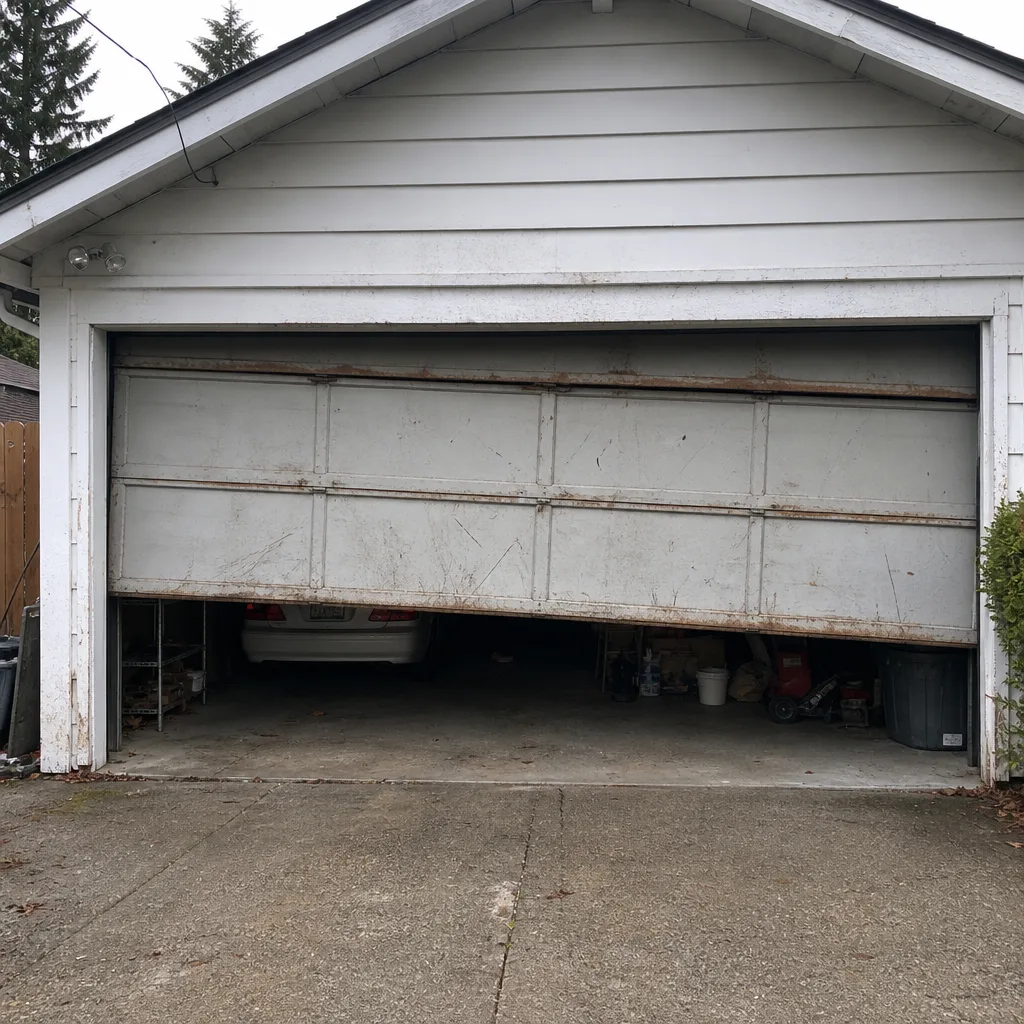 Before
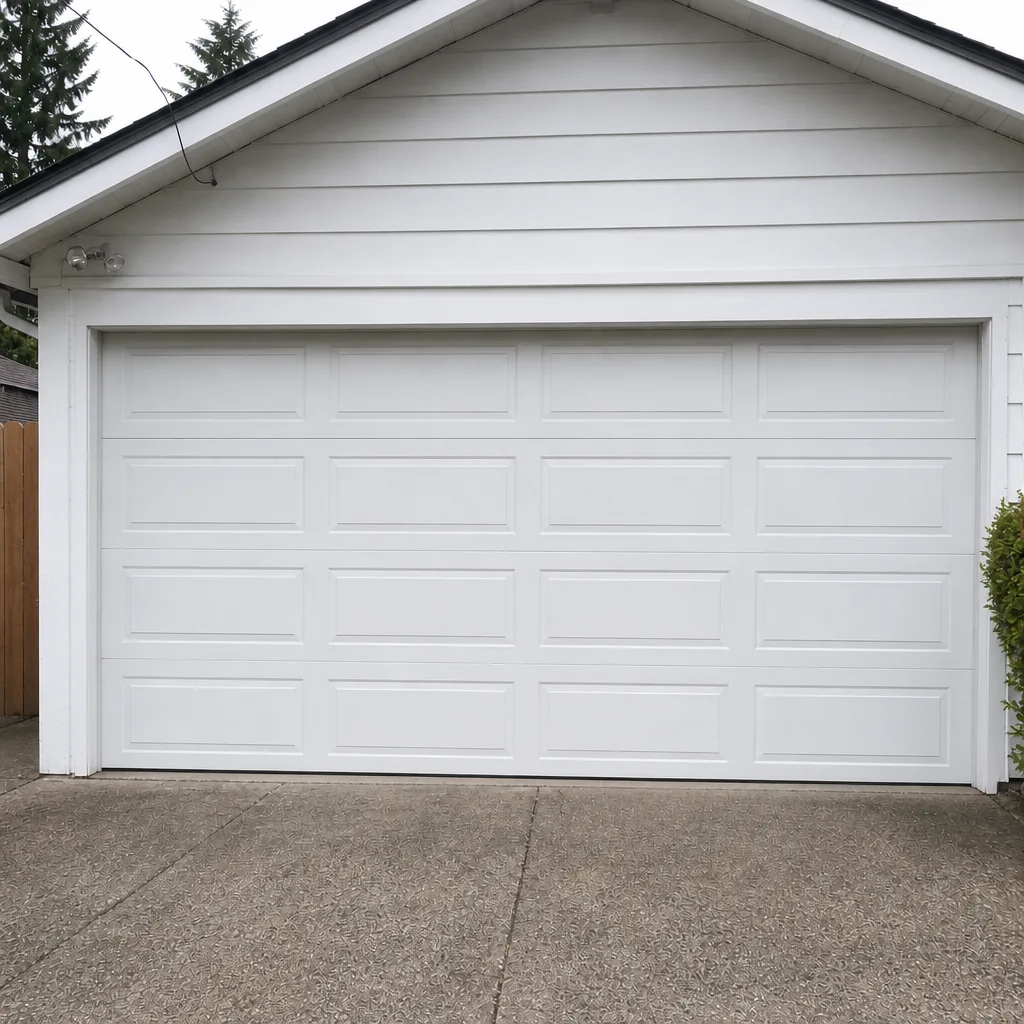 After
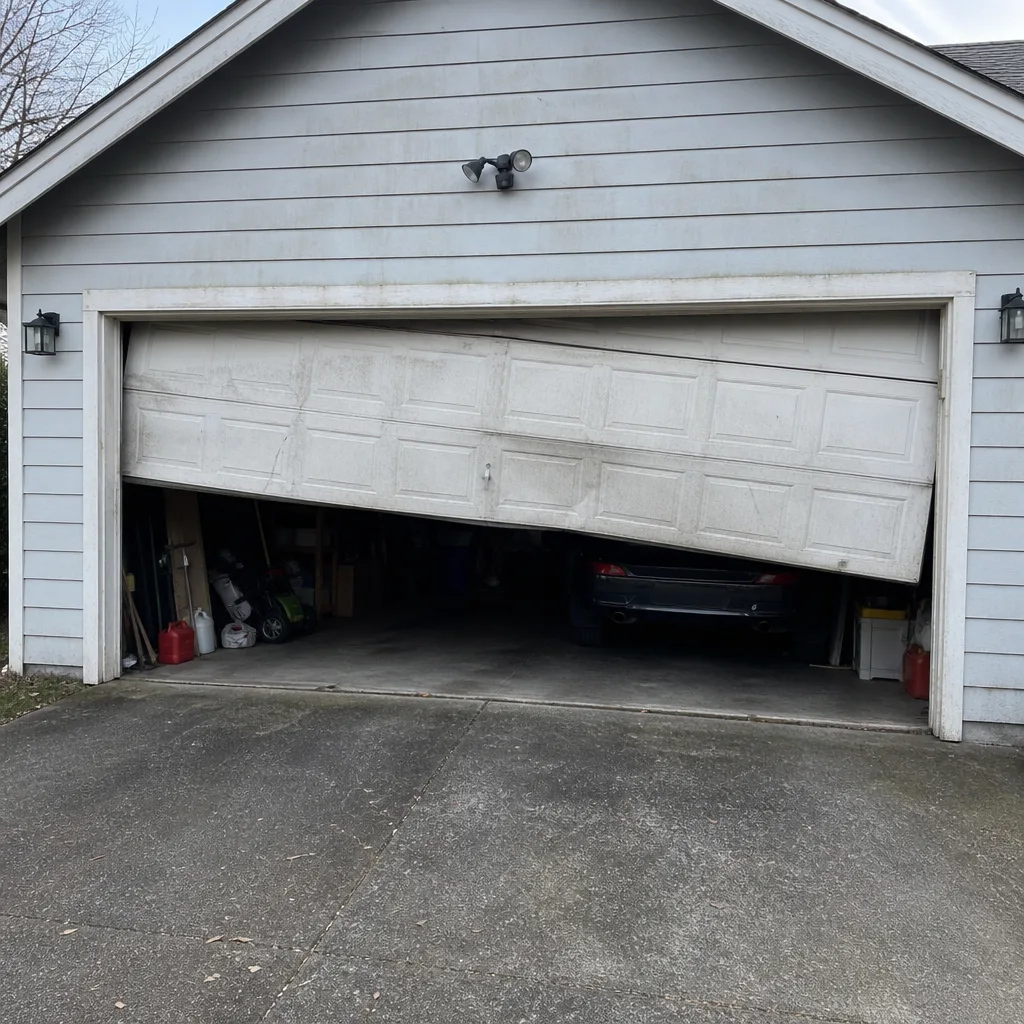 Before
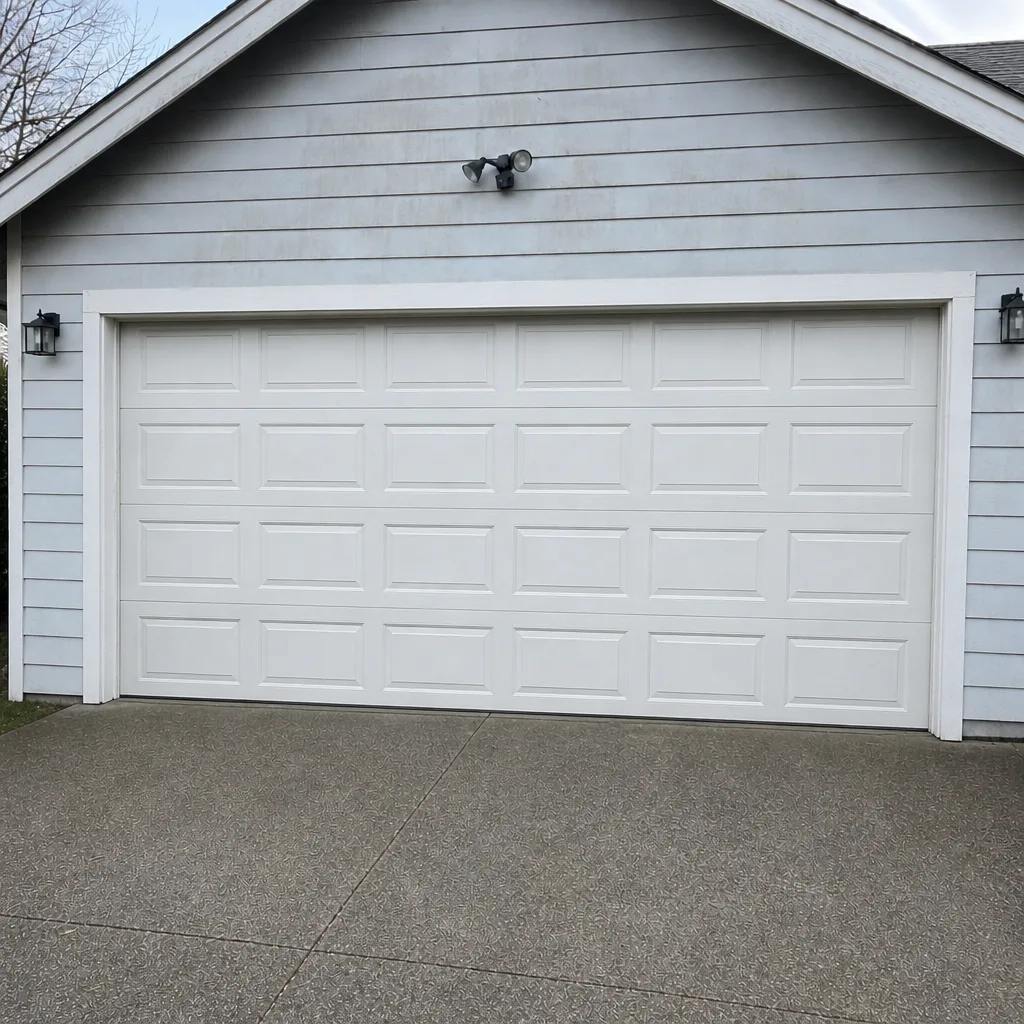 After
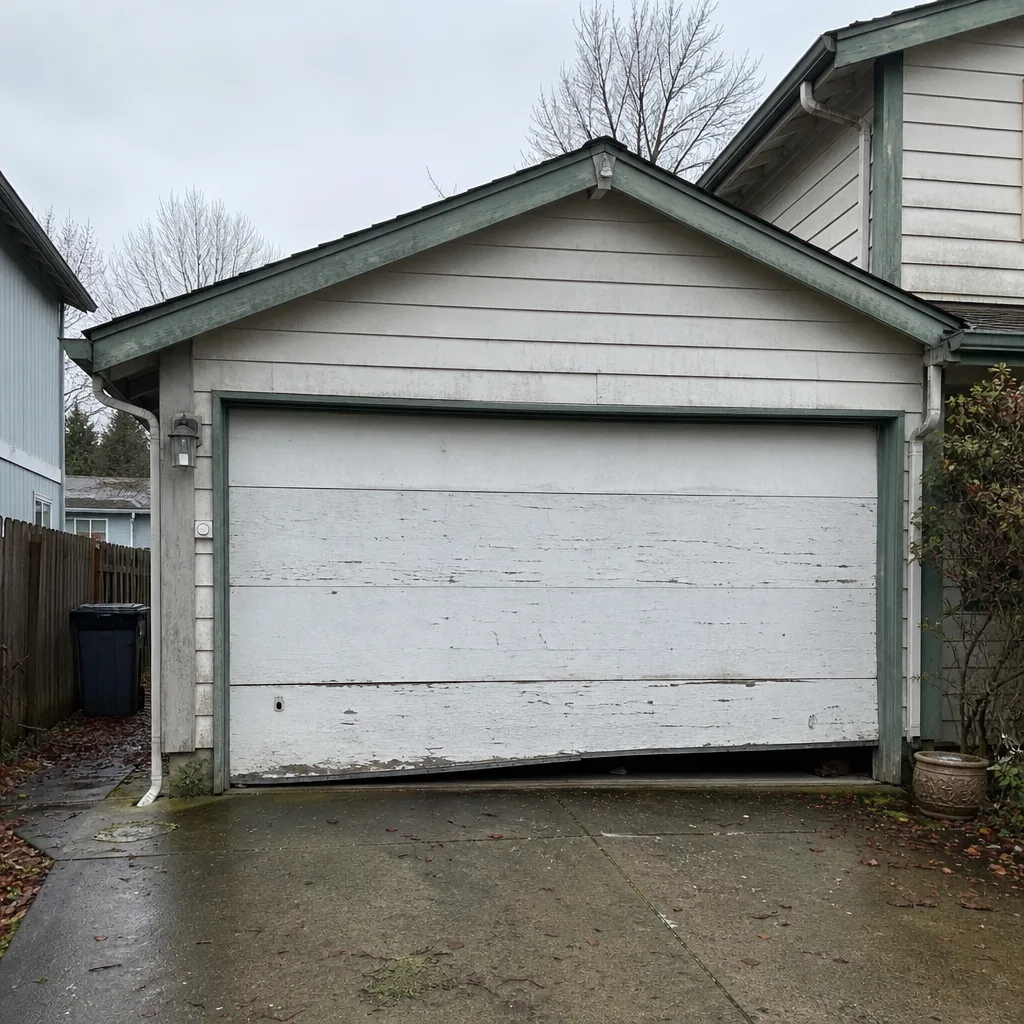 Before
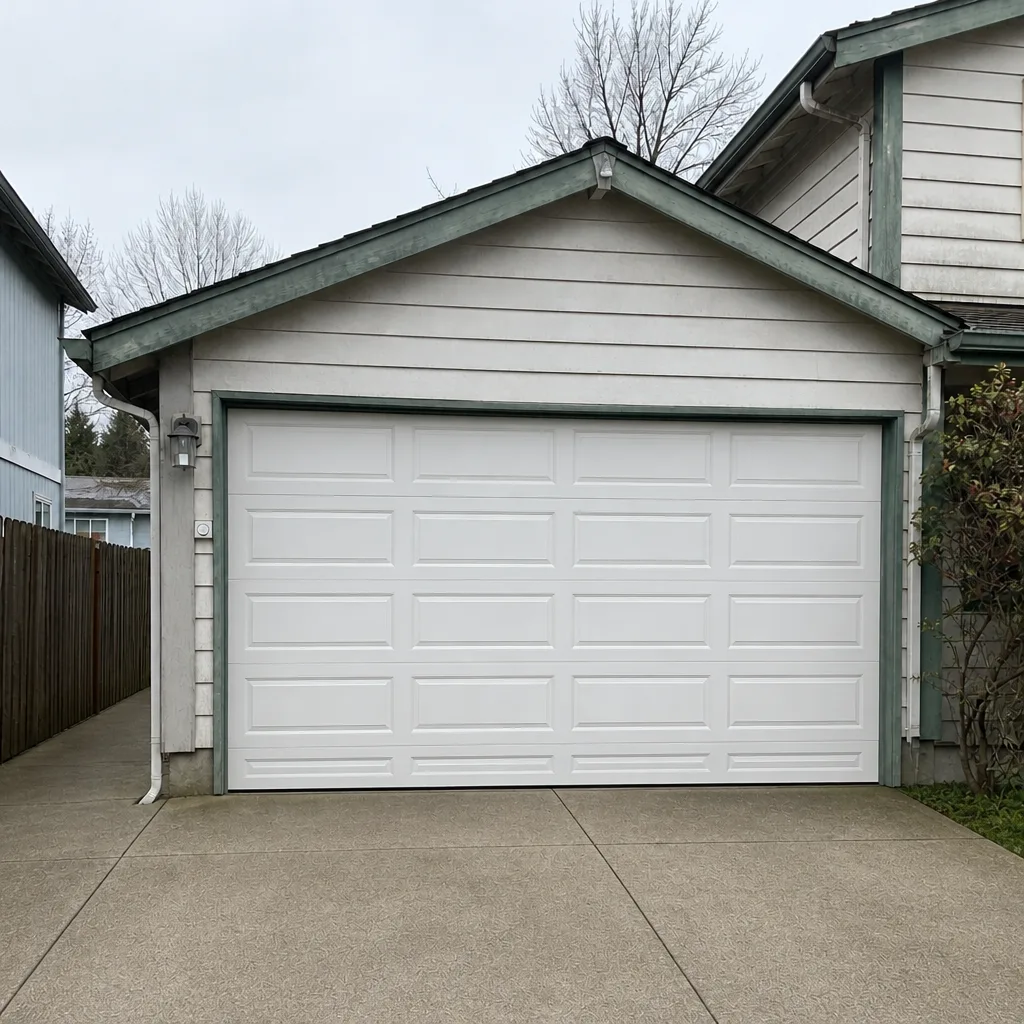 After
When to Call a Professional
Some jobs are worth a look, and some are worth a call. Call a professional when a spring snaps or the door won’t stay up, when the door is off its tracks or hanging crooked, when the opener runs but the door doesn’t move, when a cable is frayed or loose, or when the door drops instead of reversing on the safety test. These are the cases where a mistake can cost more than the repair, or where the hardware itself is dangerous. Springs, cables, and torsion hardware carry stored energy and belong to trained hands. Beyond safety, a trained technician with model familiarity diagnoses faster and sources the right part. Everett Garage Door Repair Co offers free estimates in Everett – call (833) 991-9736. We answer 24/7. Fast dispatch from 7am to 7pm, Sunday through Friday.
Frequently Asked Questions
A single torsion spring replacement typically falls in a set range, and a matched pair costs about twice that because the two are usually replaced together. The written estimate sets the final price, and there’s no charge for the estimate. Call (833) 991-9736 for an exact quote – estimates are free.
For urgent repairs we offer same-day service when the schedule allows. We answer 24/7. Fast dispatch from 7am to 7pm, Sunday through Friday. A call outside dispatch hours is booked into the next opening, Sunday through Friday, 7am to 7pm. When the door won’t move, we move fast – call (833) 991-9736.
No. You get a written estimate and agree to it before any work starts, and that quote is the price. If the job turns out to be different than expected, we’ll talk it through with you before touching anything. Call (833) 991-9736 for a free estimate.
The local professional we connect you with is licensed and insured as their state requires. Our technicians have up to 14 years of experience, and they know the major door and opener brands by model. Call (833) 991-9736 to book a free estimate.
Torsion springs are the better fit for the heavier insulated doors most homes here use, because they carry the load more smoothly and last roughly twice as long as extension springs. They’re also safer if one breaks, since the door stays in its tracks rather than dropping. If your door is heavy and someone offers extension springs, ask why.
No, we’re closed Saturday. We’re open Sunday through Friday, 7am to 7pm for dispatch, and the phones are answered 24/7. A call outside dispatch hours is booked into the next opening, Sunday through Friday, 7am to 7pm. Call (833) 991-9736 to get on the schedule.
The Bottom Line
A garage door in Everett lives in a wet climate that punishes cheap hardware and rewards the right choices. Go with heavier-gauge steel and galvanized parts, expect torsion springs on any insulated door, and plan for the fact that four to six cycles a day wears an opener faster than the label suggests. When something fails, get a written estimate before work begins and let a trained technician handle the springs. We fix garage doors. That’s it. That’s everything. It’s the focus that makes the difference when your door decides to quit.
Ready to get your door sorted? Call (833) 991-9736 for a free estimate. We answer 24/7. Fast dispatch from 7am to 7pm, Sunday through Friday. Same-day service is available for urgent repairs, and every price is agreed in writing before any work starts.
Written by the team at Everett Garage Door Repair Co.