
Last updated November 23, 2026
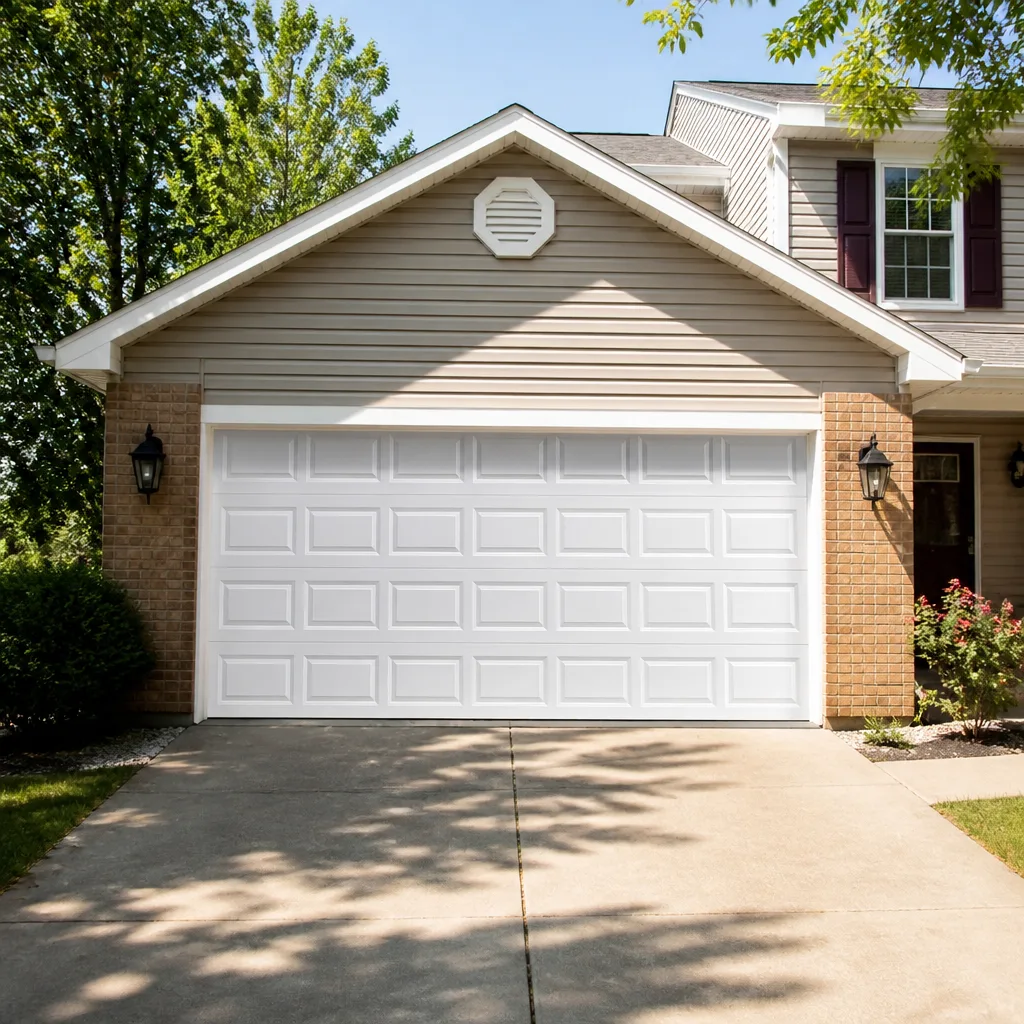 Raised-panel steel
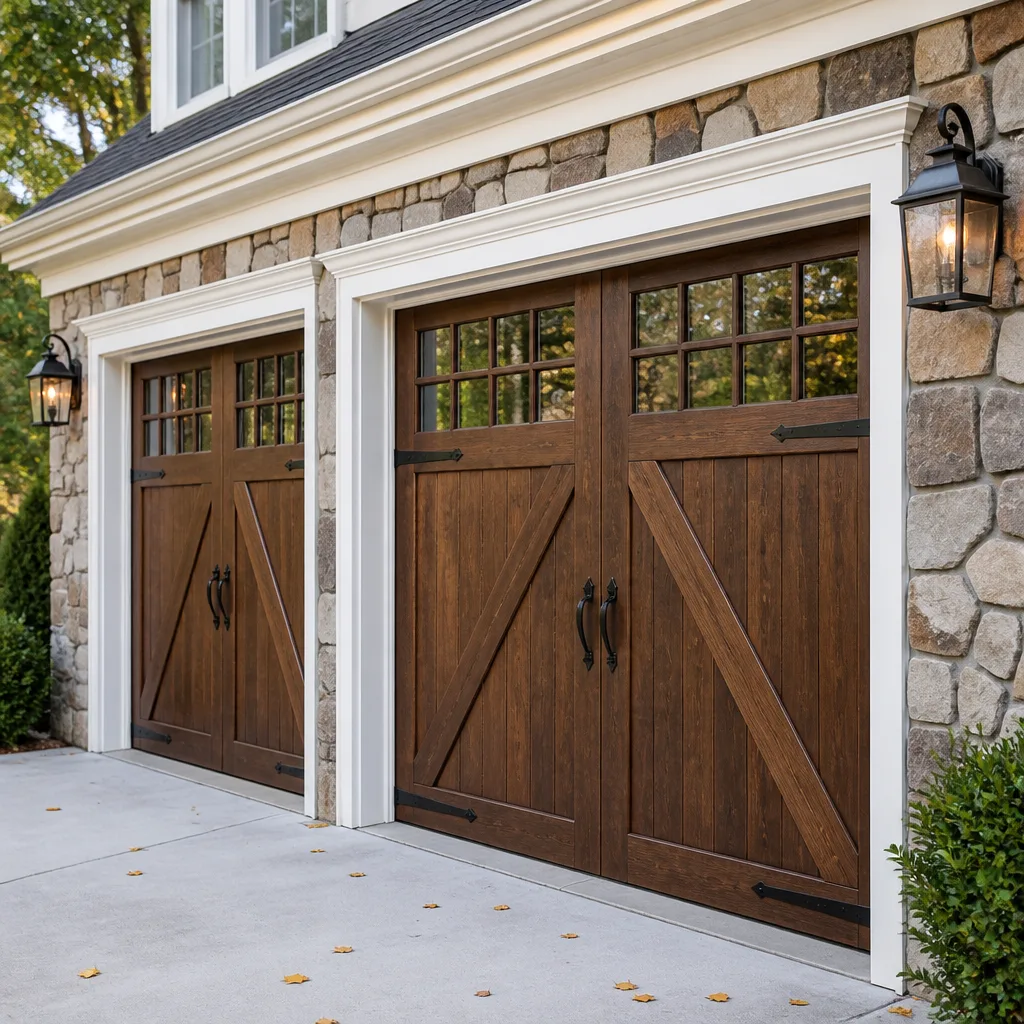 Carriage house
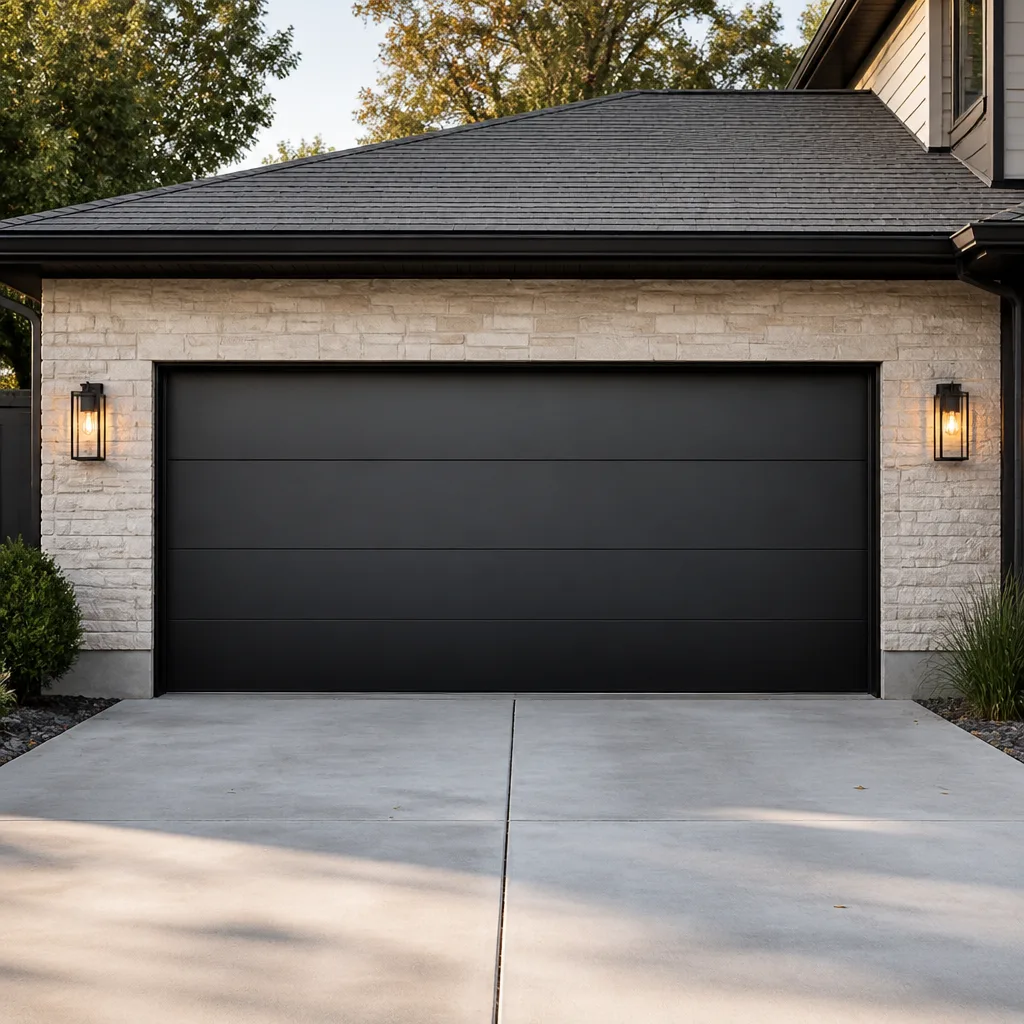 Modern flush
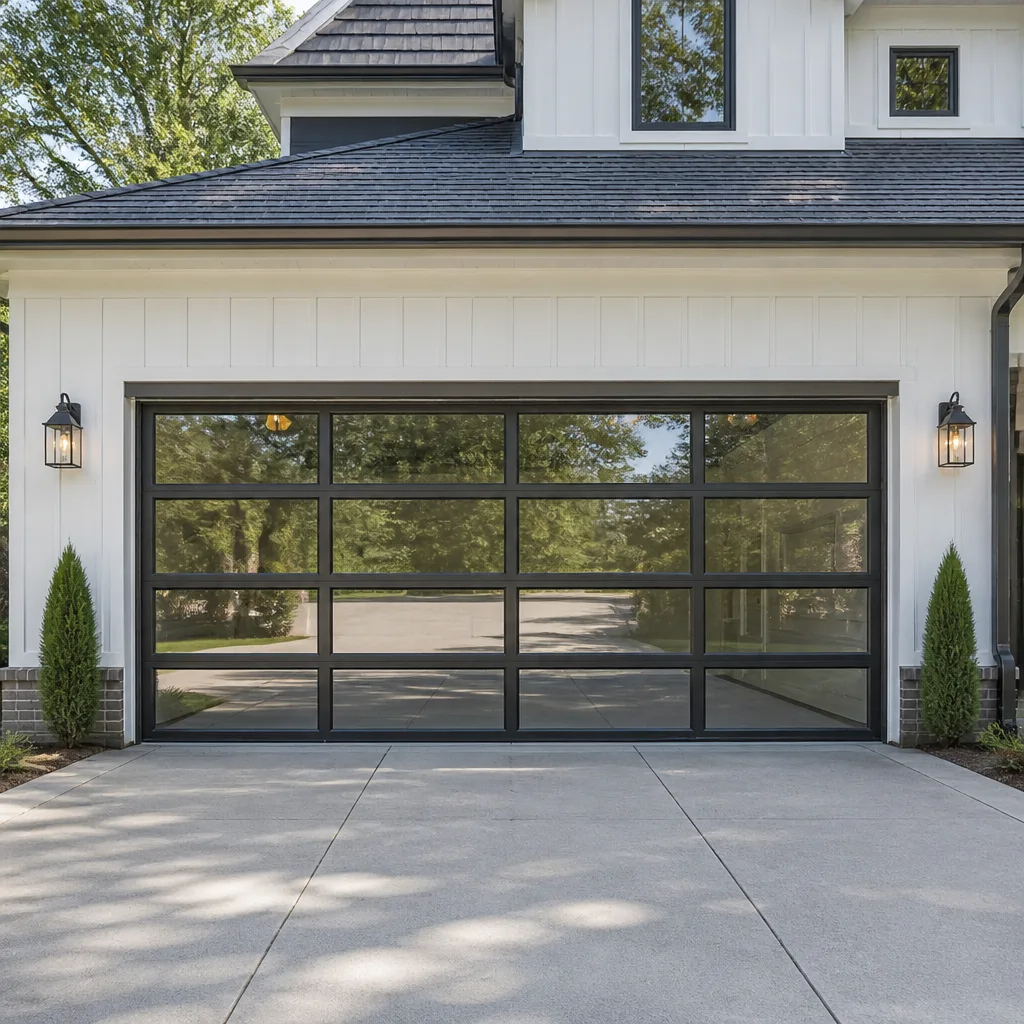 Full-view glass
 LiftMaster openers
 Chamberlain openers
Full 25-point door and opener safety check with every visit - springs, cables, rollers, tracks, and your LiftMaster or Chamberlain opener included
You get a price before we start. It does not change when the pro arrives.
Get your free estimateGarage Door Warning Signs: An Everett Homeowner’s Reference Guide
A garage door that’s “a little slow” and a garage door with a worn torsion spring can look identical from the driveway. Both hesitate. Both make noise. But one is often a cleaning-and-lubrication job, and the other involves a component holding serious stored energy that can release violently if it fails while you or a child is standing underneath. That gap between “annoying” and “dangerous” is where most homeowners get stuck, because the symptom rarely comes labeled. This guide maps every common garage door warning sign to its most likely cause and gives each one a risk tier, so you know whether to watch it, book a repair, or stop using the door today. We work on doors across Everett every week, and this is the reference we’d hand a neighbor.
Quick Answer
Most garage door warning signs fall into three tiers. Cosmetic or monitor-level signs – light squeaking, minor panel scuffs, a slow-close setting that’s off – can wait for a scheduled visit. Service-needed signs – grinding openers, doors that shudder, cables that look slack – should be booked soon, before they cascade into bigger repairs. Stop-using-now signs – a snapped spring, a door hanging crooked, a cable that’s come off its drum – mean parking outside and calling a professional, because the door’s stored tension can injure someone.
Styles & brands we work with
- Raised-panel steel
- Carriage house
- Modern flush
- Full-view glass
- LiftMaster openers
- Chamberlain openers
Table of Contents
- The Three Risk Tiers Every Homeowner Should Know
- Spring Problem or Cable Problem? How to Tell the Difference
- Decoding Opener Sounds: Grinding, Clicking, and Straining
- Why Your Door Shudders in Everett’s Cold Months
- Panel Damage: Cosmetic, Structural, or Weather Seal
- The 10-Point Visual Checklist
- When to Call a Professional
- Frequently Asked Questions
The Three Risk Tiers Every Homeowner Should Know
Most warning sign guides hand you a laundry list and leave the judgment to you. That’s backwards. What you need is a way to sort symptoms by urgency, because a noisy door and a dangerous door shouldn’t get the same response. Here’s the framework we use when we assess a door in Everett.
Tier 1: Monitor (cosmetic or minor)
These signs don’t affect safety or function yet, but they’re worth logging so you notice when they change.
- Light squeaking or squealing from hinges or rollers
- Scuffed or faded paint on the panels
- A remote that occasionally needs a second press
- Minor cosmetic dents with no effect on alignment
Booking a routine garage door repair visit for lubrication and a look-over handles most Tier 1 items, and it’s a good time to have the whole system checked.
Tier 2: Schedule Service Soon
These signs mean something is wearing or misaligned. The door still works, but ignoring them usually turns a small repair into a bigger one.
- Grinding, groaning, or straining from the opener
- A door that shudders or jerks on the way down
- A door that reverses before it touches the floor
- Visible slack in a cable, or a cable that looks frayed
- Rollers that are cracked, worn flat, or wobbling in the track
Tier 2 is where garage door opener repair and hardware service usually live. A technician can often correct these in a single visit, and the earlier you book, the cheaper the fix tends to be.
Tier 3: Stop Using the Door Immediately
These signs mean the door is unsafe to operate. Park outside, don’t force it, and call a professional.
- A loud bang followed by the door refusing to open (often a broken torsion spring)
- The door hanging crooked, with one side higher than the other
- A cable off its drum, tangled, or snapped
- The door crashing down instead of lowering slowly
- A torsion spring with a visible gap in the coil
Springs and high-tension hardware are the most dangerous part of the whole system. Those components hold serious stored energy, and a failed spring can release it in an instant. Never try to wind, unwind, or remove a spring yourself – call a professional. garage door spring repair is exactly the kind of job where a trained technician makes all the difference.
Spring Problem or Cable Problem? How to Tell the Difference
This is the single most useful diagnostic most homeowners never learn. When a door won’t open, one of two things has usually failed – the spring or the cable – and the visual cues are actually different. Knowing which is which helps you describe the problem accurately on the phone and understand what to expect.
What each part does
On a standard torsion system, springs run horizontally above the door and carry most of the door’s weight. Cables run down each side from drums at the ends of the spring shaft and wrap around the door’s bottom corners. The springs do the lifting; the cables keep the door level. Fail one, and the door stops working – but the symptoms aren’t the same.
How to tell them apart (visual, no tools)
- Look at the spring first. A torsion spring that has failed usually shows a visible gap of an inch or two between the two halves of the coil. Extension springs (which run along the tracks on some homes) can snap and hang loose. Either way, a break is usually visible from the floor.
- Look at the cables next. A snapped or off-drum cable shows as slack, tangled wire hanging from one side, or a cable no longer seated in its drum at the top corner.
- Check the door’s attitude. A broken spring usually makes the door impossible to lift by hand (it’s too heavy). A cable problem often lets the door lift but makes it hang crooked, with one corner sagging.
- Listen. A snap or bang followed by a dead door points to a spring. A pop and a crooked rise points to a cable. Neither is a “try it again” situation.
Why this matters for Everett homeowners
In our experience, spring and cable failures don’t announce themselves politely. If you’re not sure which has failed, don’t test the door repeatedly to find out – each cycle puts more strain on the remaining components and on anything near the door. When in doubt, treat it as Tier 3. LiftMaster and Chamberlain openers have safety features that help, but they can’t protect you from stored spring energy. A call is free, and a technician can tell you in minutes what failed.
Decoding Opener Sounds: Grinding, Clicking, and Straining
The opener is the messenger. The sound it makes usually points to a specific component, and once you know how to read it, you can describe the problem clearly on the phone – which means the right parts get brought the first time. Here’s how we decode the three most common sounds, broken out by drive type.
Grinding
Grinding usually points to worn gears inside the opener, dry or failing bearings, or debris in the rail. In chain-drive systems (common on older Genie and LiftMaster units), grinding often traces to a loose chain or worn sprocket. In belt-drive systems, grinding is less common but can mean a belt that’s rubbing or a bearing going. Either way, grinding is Tier 2 – book it soon.
Clicking
A single click at the start of travel is usually normal. Repeated clicking, or a click with no movement, often points to a failing capacitor, a stripped gear, or a logic board issue. In screw-drive systems, clicking can mean the trolley isn’t engaging the screw properly. Clicking that happens without the door moving at all is a Tier 2 problem – the door isn’t responding, so it’s worth a call.
Straining
Straining – the opener laboring like it’s lifting something heavy – almost always means the door is out of balance. Either a spring has lost tension, a track is misaligned, or the door is binding. Straining is a Tier 2 sign that should be addressed before the opener’s motor burns out, because a strained opener will eventually fail too.
The one cue that overrides the sound
If the opener runs but the door doesn’t move, or the door moves only an inch and stops, stop pressing the button. That combination means something in the door’s mechanical system has likely failed, and continuing to run the opener can damage gears or make the repair worse. Raynor and Chamberlain openers generally have force-limit sensors that will stop the motor, but they’re a backup, not a substitute for a professional look.
Why Your Door Shudders in Everett’s Cold Months
A door that shudders “just a little” on the way down is easy to ignore, and in Everett’s wet, cold months it can feel like a seasonal quirk. It usually isn’t. Shuddering almost always traces to one of three things: track alignment, roller wear, or an unbalanced door. And in our climate, there’s a fourth factor that catches a lot of homeowners off guard.
The frost heave factor
Everett’s winter gets cold enough that the ground can freeze and thaw repeatedly. When the soil under a garage slab or driveway shifts, the concrete can move slightly. That movement is often invisible from eye level, but it can push a garage door’s track out of plum by a fraction of an inch – enough to make the door bind on the way down and shudder on one side. In towns like Mukilteo, Edmonds, and Lynnwood, we see the same pattern: a door that was smooth in summer starts catching in January.
What to check before you call
- Watch the door from the side. If one side rises or falls slightly ahead of the other, the door is unbalanced or a track is off.
- Look at the gap between the roller and the track. Worn rollers have play in the track; the door should glide, not grind.
- Check the tracks for dents or bends. A single bend near the curve can cause a shudder on every cycle.
- Listen for the shudder to change with temperature. If it’s worse on cold mornings and clears by afternoon, the cause is usually thermal or frost-related, not the opener.
Why not just live with it
A shudder is a wear signal. Every cycle with a misaligned track puts strain on the rollers, the hinges, and the opener. Left alone through a Snohomish County winter, a Tier 1 shudder can become a Tier 2 opener strain by spring. It’s worth a look.
Panel Damage: Cosmetic, Structural, or Weather Seal
Not all panel damage is the same, and sorting it correctly saves money. A scuff is a scuff. But a bent or cracked panel can affect the door’s structural integrity or open a gap that lets Everett’s rain and wind straight into the garage. Here’s how to sort it.
Cosmetic damage (Tier 1)
- Paint scuffs, fading, or minor surface dents from a bicycle or a stray ball
- Rust spots from condensation on the inside face (common in wet climates)
- A panel that’s still straight and seals fully against the frame
These can wait, though keeping up with paint on the inside face helps keep rust from spreading.
Structural damage (Tier 2)
- A panel with a crack that runs through the metal
- A dent that pushes the panel out of alignment with its neighbors
- A hinge or strut pulled loose from its mounting
Structural panel damage can transfer stress to adjacent panels and the door’s internal framing. It’s usually fixable, but it’s not a “wait and see” situation – book a visit.
Weather seal damage (Tier 2)
This is the one Everett homeowners miss most. A gap at the bottom seal, a bent top panel, or a side seal that’s pulled away lets wet air in. In a climate with long wet winters, that means moisture in the garage, more condensation on tools and stored items, and slower-drying floor slabs. If you can see daylight around the closed door, it’s a seal problem worth fixing. A properly sealed door is doing double duty as weather protection, and a technician can often correct a seal gap without replacing the whole door.
The 10-Point Visual Checklist
Run this once a season – spring and fall are good times, especially before Everett’s wet months and after the first cold snap. No tools required, and it takes about five minutes.
- Look up at the springs. Torsion springs should be one unbroken coil; extension springs should sit straight. Any gap, sag, or loose stretch spring is Tier 3.
- Check the cables. Both should be tight, seated in their drums, and free of fraying. Slack or off-drum is Tier 3.
- Look at the rollers. Worn rollers look flat instead of round, or wobble in the track. If several are worn, it’s time for a service.
- Scan the tracks for bends, dents, or rust buildup. A single bend causes a shudder on every cycle.
- Check the hinges and their bolts. Loose hinges can pull free and make the door hang.
- Test the balance. With the door closed and the opener disengaged, lift halfway by hand. A balanced door should stay put without holding it. (If your door is heavy, don’t force it – just note it and call.)
- Look at the bottom seal. It should sit evenly on the floor with no visible daylight gaps.
- Run the door once and listen. Note any grinding, straining, or clicking.
- Test the safety reverse. Put a small object (a rolled towel works) in the door’s path and close the door. It should reverse before contacting the object.
- Walk the panels. Look for cracks, dents that push a panel out of line, or rust that’s bubbling the paint.
What to do with the results
Sort whatever you find into the three tiers from earlier in this guide. Tier 1 items get a note on your calendar. Tier 2 items get a call soon. Tier 3 items get the door stopped and a call today. If you’ve already noticed a Tier 3 issue – a bang, a crooked door, a spring with a gap – don’t run the checklist. Just call.
Common Mistakes to Avoid
- Pressing the opener button “one more time” on a dead or crooked door. Every cycle puts more strain on the remaining components and can make a repair more extensive. If the door isn’t moving normally, stop and call.
- Trying to adjust, wind, or remove a spring yourself. Torsion springs hold serious stored energy, and a released spring can cause serious injury. Springs are not a DIY project – ever. A trained technician is the right call.
- Spraying penetrating oil on the springs instead of a proper silicone or lithium-based lubricant. The wrong lubricant attracts grit in Everett’s damp air and accelerates wear on the springs and rollers.
- Assuming a shudder is “just the cold” and waiting until summer. Frost heave and cold-weather contraction make track problems worse, not better, and the shudder usually gets more expensive to fix the longer it’s ignored.
- Ignoring a slack or frayed cable because the door still moves. A cable rarely fails all at once – it usually announces itself before it goes, and that’s exactly the window to book a repair.
- Storing items against the door tracks or on top of the opener rail. Both block the door’s travel and can cause the opener to strain or the door to hang. If you’re stacking boxes against the track, the track gets bent.
- Trying to force a door back into its track by hand. A door that’s off its track is under tension and can come down suddenly. Leave it and call a professional.
When to Call a Professional
Call a professional when the symptom involves springs, cables, or the door’s structural balance, or when you’re not sure which of those it is. Those are the parts where doing it wrong can hurt someone. It’s also worth calling for Tier 2 items you can’t diagnose confidently – grinding, clicking, and straining are safe to book without an emergency, and getting ahead of them usually saves money in the long run. What you don’t want is to keep running a door that’s already telling you something is off, because every cycle is a wear event.
If you’re describing a tier-three symptom – a bang, a crooked door, a spring with a gap – that’s an urgent call. A door that’s stuck open leaves your Everett home exposed; a door that’s stuck shut traps your car. We handle both. Everett Garage Door Repair Co offers free estimates in Everett – call (833) 991-9736. We answer 24/7. Fast dispatch from 7am to 7pm, Sunday through Friday. The estimate is free, and the price you’re quoted is agreed in writing before any work starts.
Frequently Asked Questions
Look at the spring and see if there’s a visible gap of an inch or two in the coil, or if an extension spring is hanging loose. If the door won’t lift by hand or crashes down instead of lowering slowly, the spring is the likeliest culprit. Don’t test it more than once – a broken spring leaves the door unsafe to operate and puts strain on the opener. Call for a professional assessment rather than cycling the door again.
No – a shudder is a wear signal, and in our experience it usually means a track is out of alignment, a roller is worn, or the door is unbalanced. Everett’s freeze-and-thaw cycle can push a track out of plum through concrete frost heave, which is why shudders often appear on cold mornings. It’s worth having checked before the misalignment strains the opener and turns a small repair into a bigger one.
A broken spring usually shows as a visible gap in the coil and makes the door too heavy to lift by hand, often after a loud bang. A snapped cable usually shows as slack or tangled wire hanging from one side, and the door lifts but hangs crooked with one corner sagging. Both are stop-using-now symptoms, and neither should be tested repeatedly. A professional can tell in minutes what failed.
It depends on the crack. A surface crack that doesn’t affect alignment or the seal can usually wait for a scheduled visit, but a crack running through the metal, a dent that pushes a panel out of line, or a seal gap that lets daylight through is a sign to book service soon. Structural panel damage can transfer stress to neighboring panels. If the door still runs evenly and the seal is tight, it’s a monitor item, not an emergency.
No, don’t wait. Grinding usually points to worn gears, dry bearings, or debris in the rail, and in belt-drive and chain-drive systems it tends to get worse, not better. A grinding opener will often continue to work for a while, which is what makes it easy to ignore. Addressing it early usually costs less than replacing the opener after the motor or gears fail.
Permit requirements vary by jurisdiction and by the scope of the work, so check with the City of Everett’s building department before scheduling installation. What we can tell you is that a door replacement is measured and ordered before it’s installed, which means it’s a scheduled job, not a same-day repair. A free measure and a written price come first, and the written estimate sets the final price.
The Bottom Line
Most garage door warning signs are readable if you know what you’re looking at. A light squeak is usually a lubrication issue; a shudder in cold months often points to track alignment and frost heave; a bang followed by a dead door is a spring problem that needs a professional today. Sort what you find into monitor, service soon, and stop-using-now, and you’ll avoid both the panic and the procrastination that turn a small repair into an expensive one. Keep the seasonal checklist on your calendar, keep an eye on springs and cables, and when something looks like Tier 3, don’t touch it – call. If you want a second opinion on anything in this guide, that’s what we’re here for.
Everett Garage Door Repair Co works on LiftMaster, Chamberlain, Genie, Raynor, Clopay, Amarr, Wayne Dalton, and Craftsman systems, so we know your door and your opener. Springs, openers, panels, and full installs are all one call. When the door won’t move, we move fast. Call (833) 991-9736 for a free estimate. We answer 24/7. Fast dispatch from 7am to 7pm, Sunday through Friday. Estimates are free, and the price you’re quoted is agreed in writing before any work starts.
For the full scope of what we do, start at Everett Garage Door Repair Co.
Written by the team at Everett Garage Door Repair Co.
See the difference
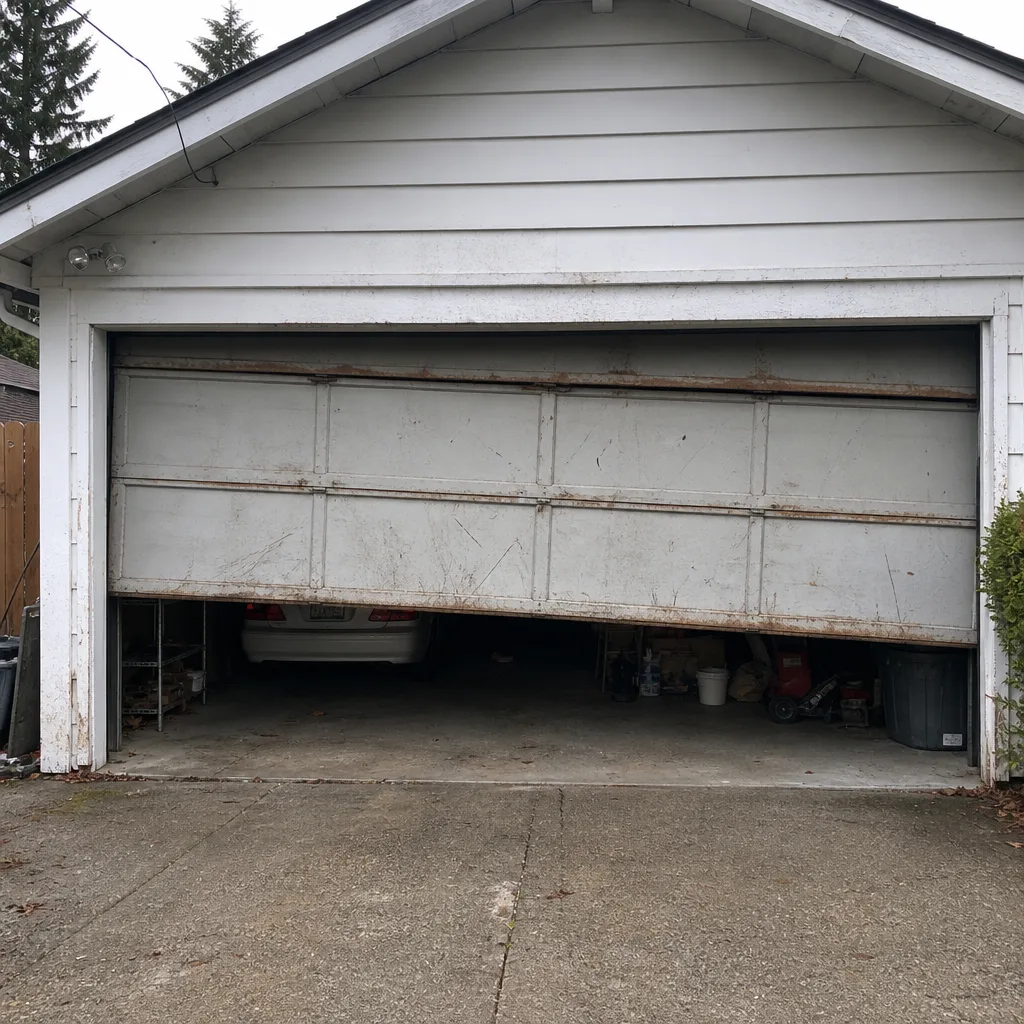 Before
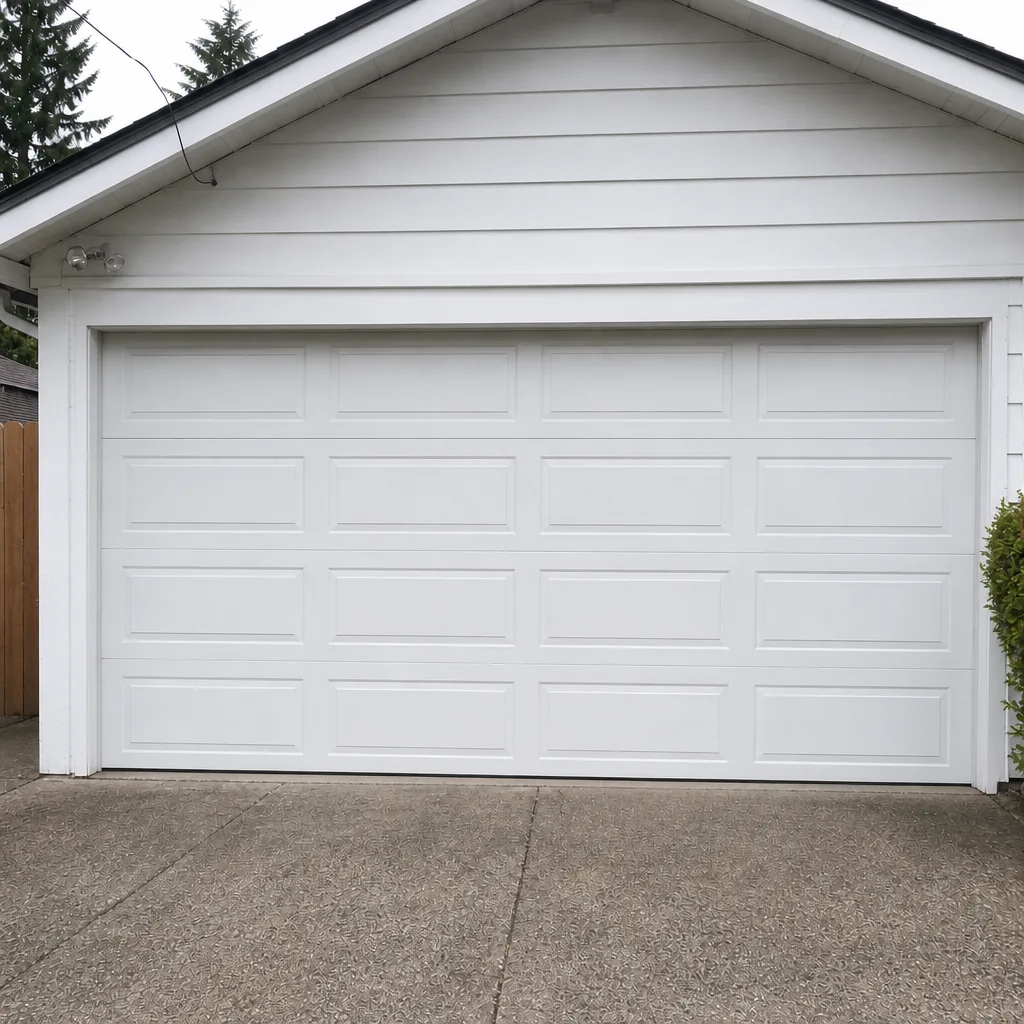 After
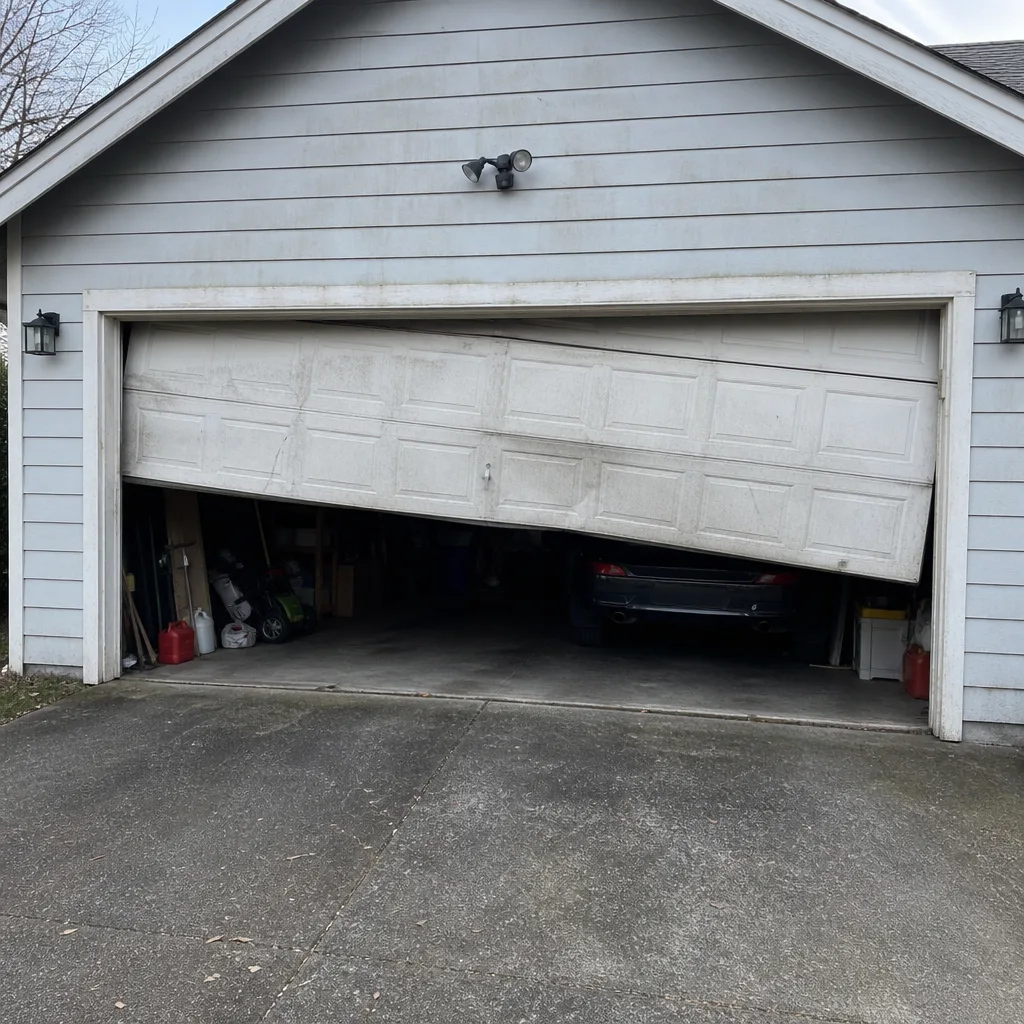 Before
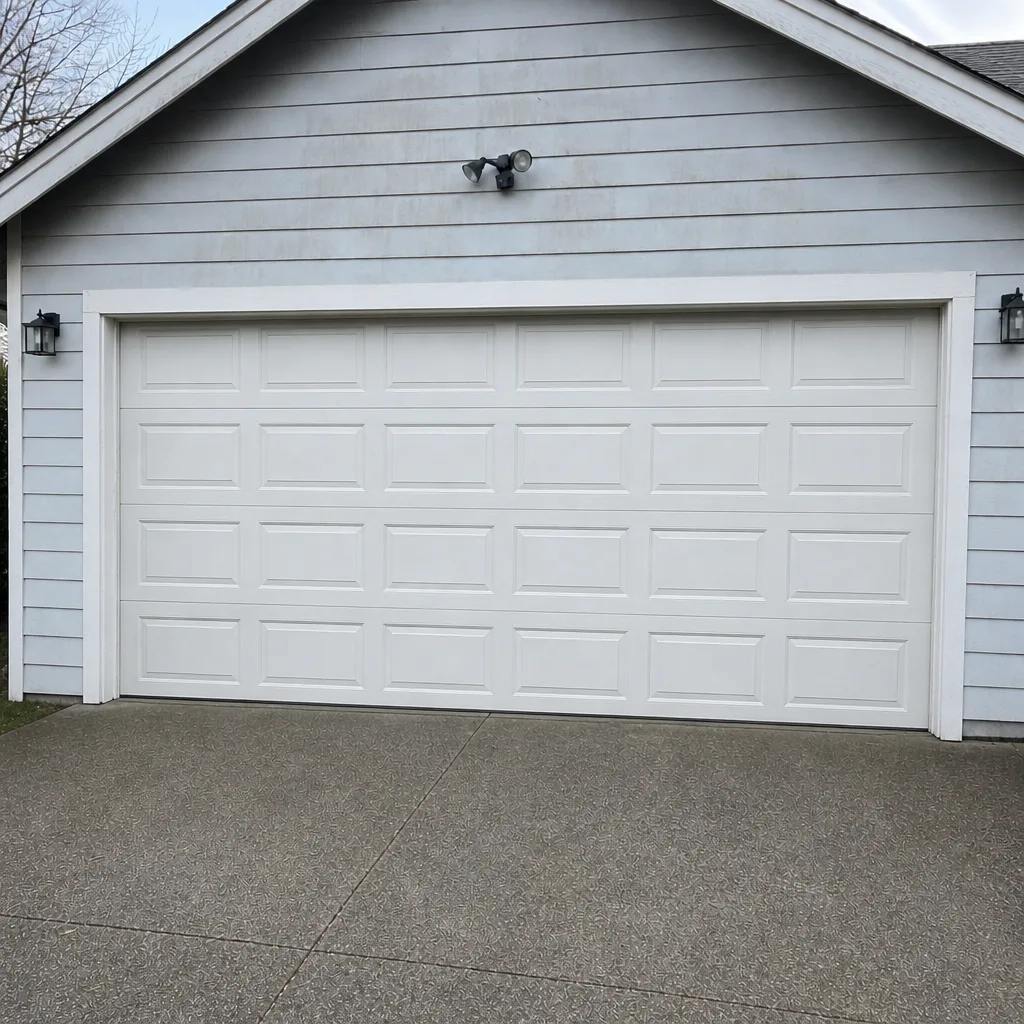 After
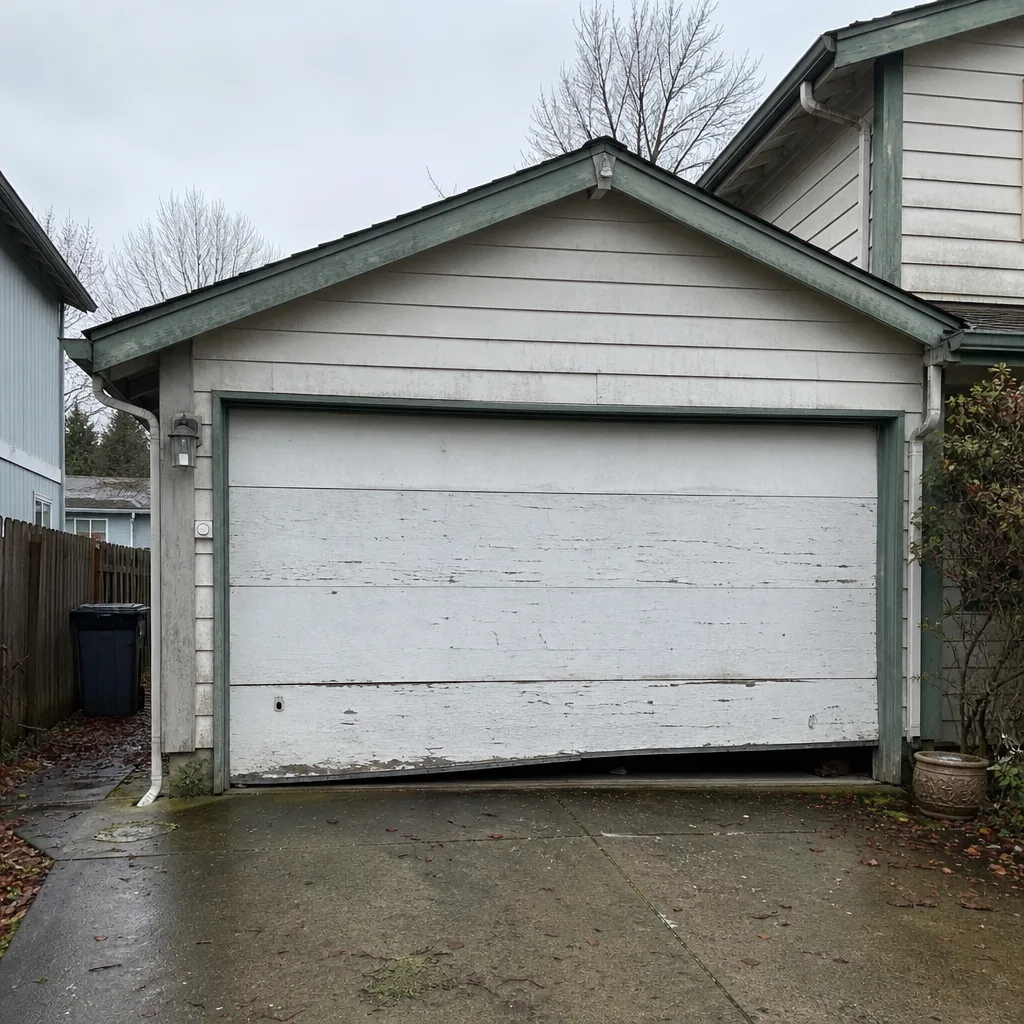 Before
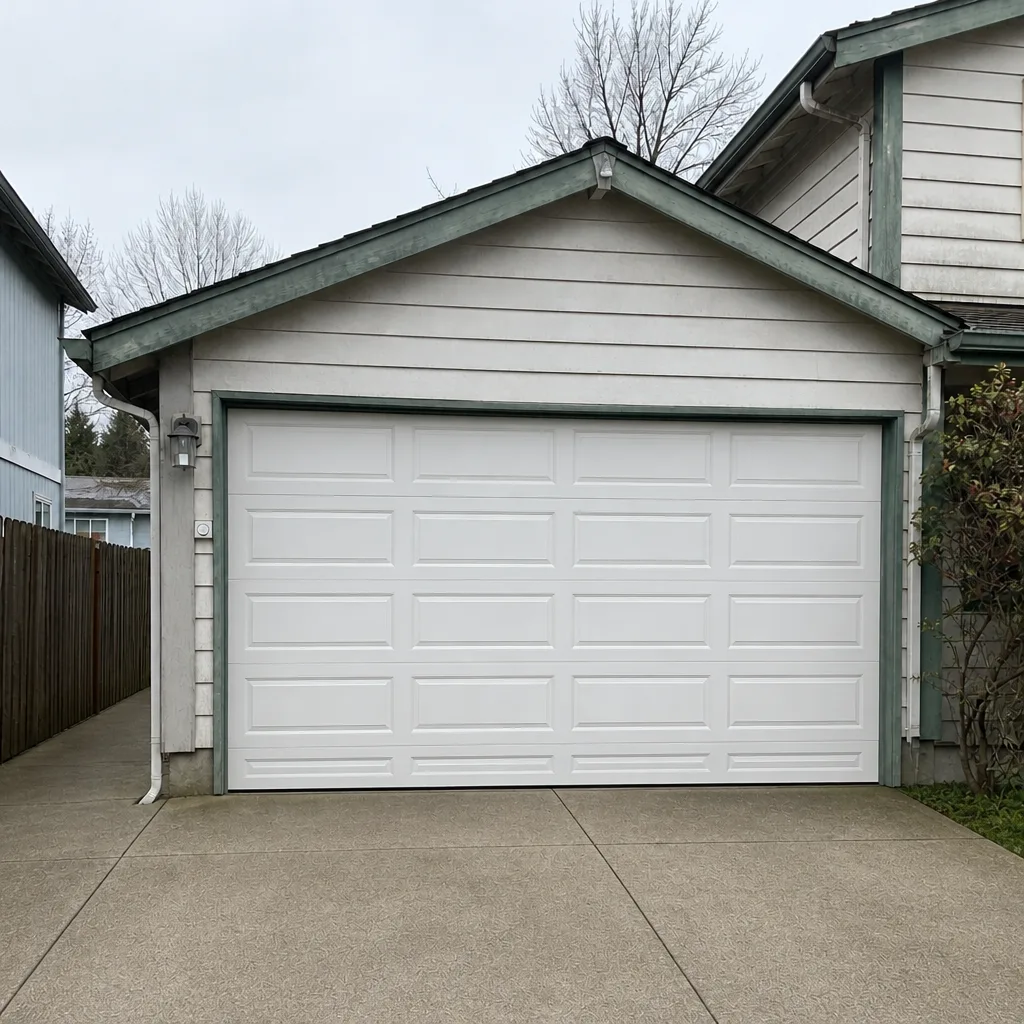 After